Cairngorms Wildfire: Military Support Offered Amidst Capability Dispute
Evacuated Nethy Bridge residents return as fire response continues, but questions arise over military aerial support.
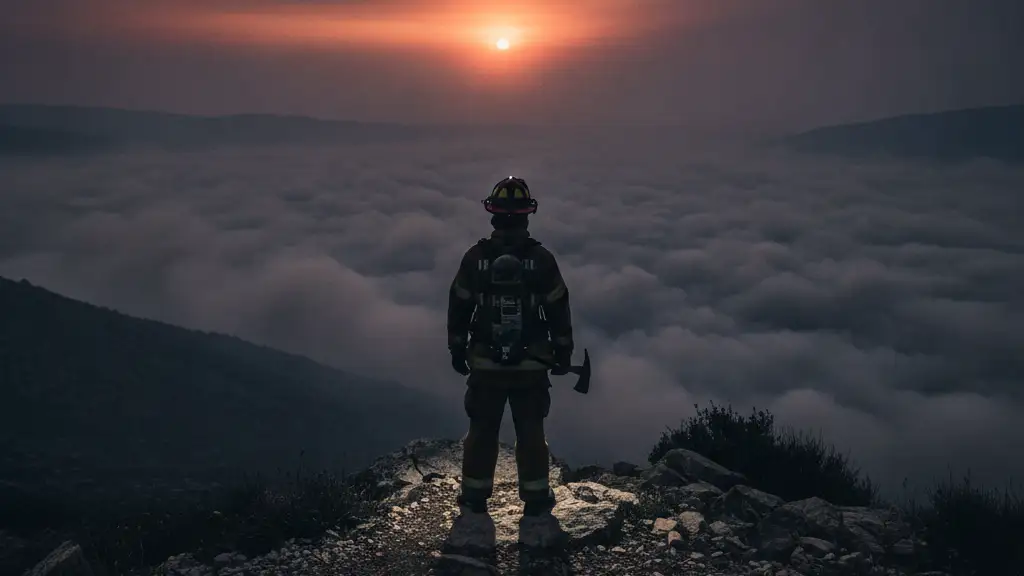
Image: Eddie Pollard / AI

Carla Rooney
The UK Government has confirmed specialist military support is available for the Cairngorms wildfire, even as conflicting claims emerge regarding the military's aerial capabilities.
Police Scotland downgraded the wildfire status on Saturday, July 26, 2026, a stark reversal from the major incident declaration and evacuation orders issued just the day before, Friday, July 25, 2026.
Residents of Nethy Bridge, evacuated Friday, received clearance to return home; however, the Abernethy Highland Games faced cancellation due to the ongoing wildfire and its extensive response.
Authorities advised residents in affected areas and those impacted by smoke in Aberdeenshire and Moray to keep windows and doors closed on Saturday morning.
Douglas Alexander, the Scottish Secretary, confirmed the provision of specialist resources, including Chinook helicopters and UK standby battalions, if requested.
Since receiving the request for assistance from the Scottish Government, I have worked at speed with the Defence Secretary to establish the resources we can deploy to support the efforts in the Cairngorms.
Alexander stated, "Since receiving the request for assistance from the Scottish Government, I have worked at speed with the Defence Secretary to establish the resources we can deploy to support the efforts in the Cairngorms."
Scotland’s Justice Secretary, John Swinney, did not expect military help, claiming the Scottish Government requested aerial support to drop water on the fire but received information that the Ministry of Defence (MoD) did not possess such equipment.
Swinney also claims his understanding indicated the UK military "does not have the capability" required for the fire. Neil Gray further claims the UK military lacks the necessary tactical aerial helicopter support.
Wes Streeting, addressing the situation, stated, "Our armed forces are always ready and able to respond to serious situations and Chinook helicopters can be available to provide heavy-lifting capacity, which may be needed given the landscape, and we have UK standby battalion personnel ready to deploy to provide additional numbers on the ground to help bring the wildfire under control."
Beyond the immediate operational challenges, a historical lens reveals recurring tension in resource allocation during Scottish emergencies; past incidents, such as the 2018 'Beast from the East' snowstorms, also saw debates over the speed and scope of military deployment.
This pattern of dispute creates significant stakeholder pressure from the public, who demand swift, decisive action. Sandy McCook claims residents felt "completely let down by the Scottish government," asserting that the government had "dithered."
McCook also claims the fire was "not controlled in any way, shape or form," despite ongoing efforts. These sentiments increase the political stakes for both the Scottish and UK governments.
I want to reassure everyone affected by this prolonged incident that we are still fully committed with the appropriate resourcing in place as we work to protect the community. This is still very much a large, multi-agency response with partners, volunteers and the community pulling together to bring this incident to a safe conclusion.
Meanwhile, on the ground, Kenny Barbour, addressing the community, stated, "I want to reassure everyone affected by this prolonged incident that we are still fully committed with the appropriate resourcing in place as we work to protect the community."
Barbour added, "This is still very much a large, multi-agency response with partners, volunteers and the community pulling together to bring this incident to a safe conclusion."
He confirmed, "We intend to take advantage of the positive weather conditions to aggressively fight this fire in key areas, particularly in the north end of the incident ground near Glenmore and Ryvovan Bothy to make an impact while the conditions allow."
However, Barbour cautioned, "However, we are not complacent. SFRS staff and partners remain vigilant across all areas of the incident ground to monitor for any flare up."
The Scottish Government maintains a lease with commercial aircraft for aerial support, a separate provision from military assistance.
This strategic shift follows a landscape where commercial aerial firefighting capabilities have expanded significantly over the last decade, offering specialized services that military assets often lack. The Scottish Government's existing commercial lease reflects this industry evolution, providing a dedicated resource distinct from broader military aid discussions.
Barbour concluded, "This remains a dynamic and changing incident and we expect to be in attendance with significant resources into next week."
The long-term future of wildfire management in Scotland will likely involve further integration of commercial and public sector resources, driven by the increasing frequency and intensity of such events. The 2023 wildfire season saw over 1,000 reported incidents across Scotland.
The economic pressure on local communities, particularly the tourism sector in the Cairngorms National Park, also looms large. The cancellation of the Abernethy Highland Games alone represents a direct financial loss and a blow to local businesses relying on event-driven revenue, forcing a re-evaluation of disaster preparedness and economic resilience strategies.