Burberry Posts 5% Retail Revenue Surge Amidst Global Market Shifts
Luxury brand sees double-digit outerwear growth, but faces European headwinds and shareholder dissent over CEO bonus.
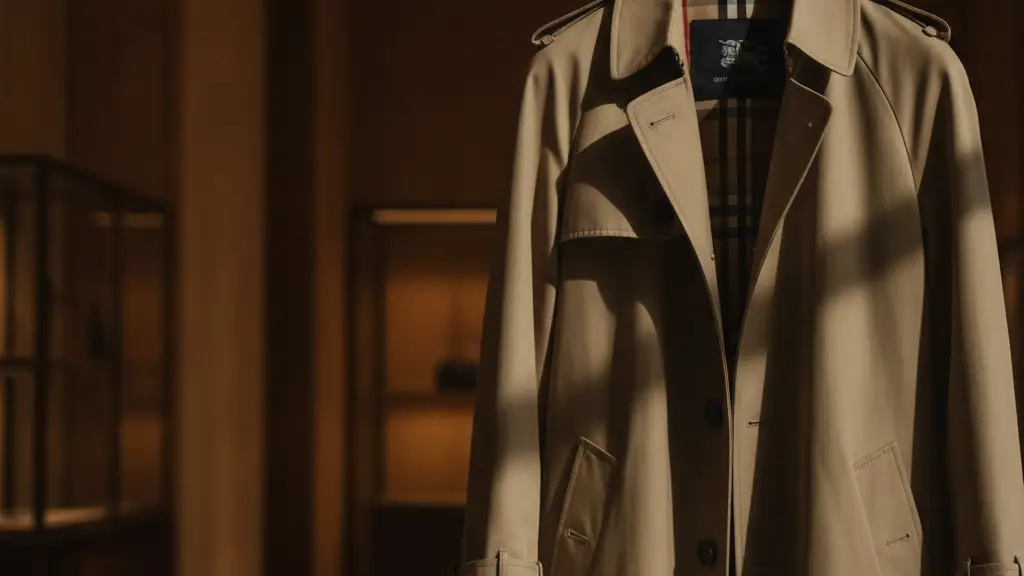
Image: Eddie Pollard / AI

Sarah Connor
Burberry reported a 5% increase in retail revenues, reaching £455 million for the 13 weeks ending June 27, a significant rise from the previous year.
Outerwear sales, a cornerstone of the Burberry brand, increased by double digits during this period. Consumers demanded its iconic products.
The company achieved growth across its womenswear, menswear, accessories, and childrenswear divisions. All segments expanded simultaneously for the first time in three years.
Joshua Schulman, Burberry's Chief Executive, stated the company's turnaround strategy delivered results. He pointed to these broad-based gains.
The company's turnaround strategy delivered results.
Historically, Burberry navigated volatile luxury markets. It often relied on heritage items like trench coats to weather economic storms.
This current performance mirrors robust growth periods seen in the early 2010s. Emerging markets then fueled significant expansion for luxury brands.
Sales in South Korea surged by 11%. Local consumers and a resurgence in tourist spending drove this notable increase.
Conversely, Japan recorded a 2% decline in sales. This showed varied performance across Asia's key luxury markets.
In China, sales climbed by 9%. Local shoppers and strong demand from Gen Z customers provided a particular boost.
The Americas business also supported this positive performance, registering 12% growth. It contributed significantly to the overall revenue increase.
However, Europe, the Middle East, and Africa collectively reported a 3% drop in sales. This presented a stark contrast to gains elsewhere.
The ongoing Middle East conflict weighed on European shoppers. It dented demand from international visitors, impacting sales in the region.
Rishi Sunak's scrapping of the VAT-free scheme in 2021 linked to a roughly 50% drop in tourist demand in Burberry's stores since before the Covid-19 pandemic.
Rishi Sunak's scrapping of the VAT-free scheme in 2021 linked to a roughly 50% drop in tourist demand in Burberry's stores since before the Covid-19 pandemic.
This policy shift altered the landscape for international high-spending visitors. It created significant operational challenges for luxury retailers in the UK.
Despite these regional challenges, Burberry continued to see strong demand for scarves and its staple outerwear products. This included its renowned trench coats.
Sales of its women’s handbags also returned to growth. This diversified the brand's revenue streams beyond its traditional strongholds.
A recent campaign for rainwear products resulted in a 19% increase in new customers. The targeted marketing efforts brought in new clientele.
Looking ahead, the divergence in regional performance suggests a continued strategic focus on high-growth markets like Asia and the Americas. This will be critical.
Political and economic pressures in Europe, particularly concerning tourist spending, will likely remain a significant factor for the luxury sector.
Despite these gains and strategic successes, 35% of shareholders voted against a £12.2 million bonus for CEO Joshua Schulman at the annual general meeting. This marked a notable dissent among investors.