Jamie Laing Fronts Ultra-Limited 'Dayjamas' Launch as Loungewear Dominates British Fashion
A high-concept fusion of sleepwear and street style challenges traditional dress codes with a 30-piece drop inspired by Aleksandr Orlov.

Sarah Connor
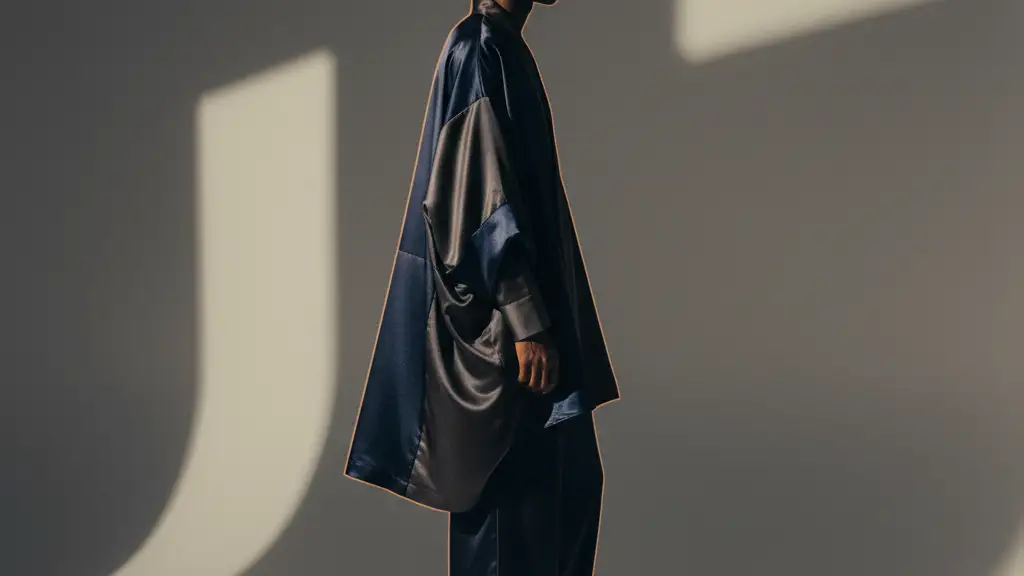
Jamie Laing has emerged as the face of a high-concept fashion experiment that merges the sanctuary of sleepwear with the grit of street style.
The aesthetic draws its DNA directly from the website’s meerkat mascot, Aleksandr Orlov, distilling the character’s signature visual identity into wearable architecture. Designers engineered these garments to bridge a widening chasm in the British wardrobe, promising a silhouette stylish enough for the pavement yet soft enough for the pillow.
This strategic launch lands as market research exposes a tectonic shift in national habits, revealing that 91% of Britons now inhabit the same loungewear for almost every daily occasion. Such data suggests a visceral rejection of formal constraints in favor of textiles that transition seamlessly across the day's escalating demands.
Beyond the mere utility of the fabric, this scarcity model mirrors the 'drop' culture perfected by luxury streetwear titans. It is a psychological gambit where limited supply ignites intense digital engagement and brand fervor.
The ascent of the 'Dayjama' reflects a profound historical pivot in sartorial standards, echoing the 1920s when lounging pajamas first migrated from the boudoir to the shoreline. Today, the boundary between private sanctuary and public theater has eroded further, accelerated by a decade of remote labor and relentless digital connectivity.
For the modern consumer, the hierarchy of needs has shifted decisively toward versatility over the traditional ritual of outfit changes. The 91% statistic illuminates a cultural fatigue with the rigid, often performative expectations of professional and social attire.
Jamie Laing’s high-profile involvement injects a celebrity sheen into what is essentially a disruption of the retail status quo. His public persona dovetails with the 'Dayjama' ethos of effortless, high-energy movement between disparate social spheres.
Critics of this trend may argue that the drift toward permanent loungewear signals a decay in public decorum and discipline. However, fashion historians frequently observe that such seismic shifts usually precede a total redefinition of what 'formal' actually signifies in the modern era.
The integration of Aleksandr Orlov’s signature aesthetic adds a sophisticated layer of kitsch to the high-concept design. It leverages a decade of established brand recognition to anchor a radical fashion statement within familiar, nostalgic territory.
Meanwhile, stakeholders across the textile industry monitor this shift with predatory focus as demand for structured tailoring continues to fluctuate. The success of a 30-piece ultra-limited run could signal a new epoch of hyper-targeted, mascot-driven apparel that bypasses traditional retail entirely.
This distribution strategy forces consumers to engage deeply with a digital ecosystem to secure a physical trophy. It is a calculated move that prioritizes brand loyalty and app retention over the blunt instrument of mass-market sales volume.
The long-term fallout of this 'loungewear dominance' may include a permanent downsizing of the traditional office wardrobe. If nine out of ten citizens prioritize comfort, the market for stiff collars and restrictive fabrics faces a genuine existential threat.
Compare the Market’s venture into apparel suggests that non-fashion entities are increasingly colonizing lifestyle products to maintain cultural resonance. By forging a 'rare commodity,' they occupy a psychological space in the consumer's mind that transcends mere utility.
These 'Dayjamas' serve as a tactile manifestation of the current British zeitgeist: a volatile blend of irony, comfort, and a desperate craving for simplicity. As the lines between rest and work continue to blur, the clothing we wear must adapt to a world that never truly switches off.
Whether this 30-piece drop remains a curious footnote or sparks a wider revolution depends entirely on the public appetite for such hybrid garments. For now, the 'Dayjama' stands as a defiant symbol of a nation that has traded the stiff suit for the silk of the sofa.