Bill Clinton Testifies Before House Oversight Committee on Jeffrey Epstein Ties
Lawmakers clash over deposition transcripts as Democrats demand testimony from Donald and Melania Trump
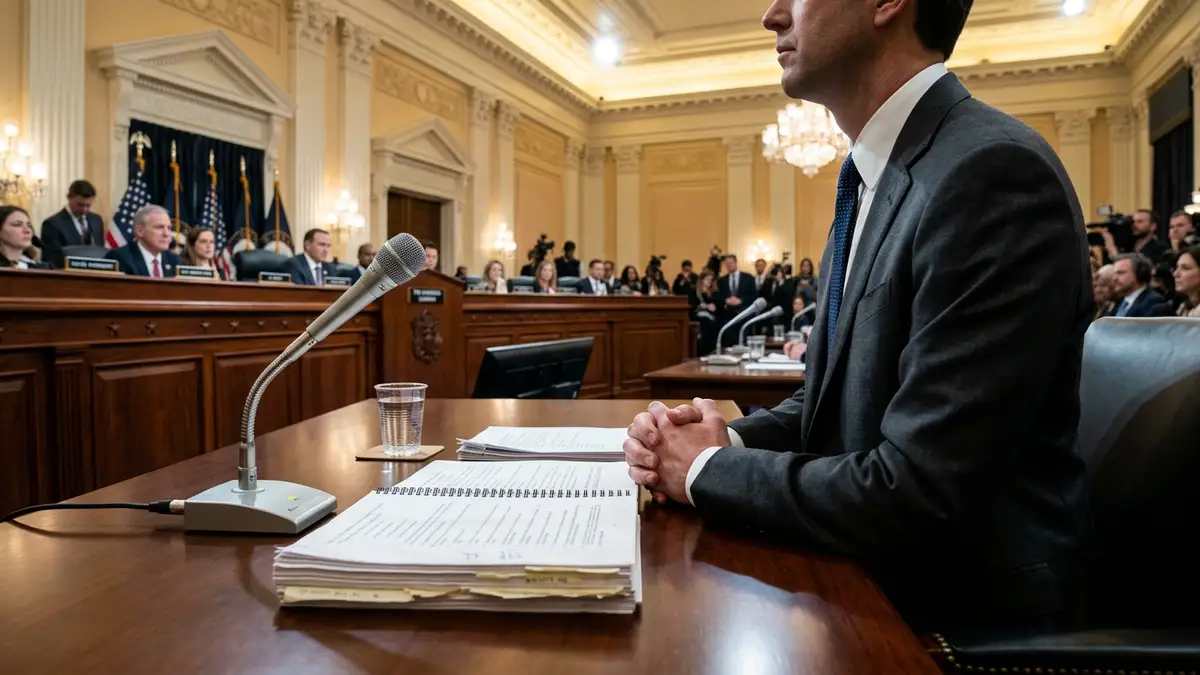
Image: Matt Weston / AI

Callum Smith
Former President Bill Clinton appeared before the House Oversight Committee to provide sworn testimony regarding his historical associations with the deceased financier Jeffrey Epstein.
Clinton stated he would have severed all ties and refused to fly on Epstein’s private aircraft had he possessed any inkling of the criminal activities. He maintained that his interactions were strictly social and lacked knowledge of the underlying illicit enterprise.
The House Oversight Committee continues to weigh the political and economic resources allocated to the probe. Chairman James Comer maintains the necessity of the inquiry to ensure public accountability for high-ranking officials.
Comer asserted that Clinton’s testimony effectively exonerated Donald Trump of any wrongdoing. GOP officials echoed this position, claiming the evidence absolved the former president of complicity in Epstein’s network.
Democrats on the committee rejected these conclusions, arguing the testimony raised further questions regarding Trump’s past relationship with the financier. They contended the session established a new precedent for the questioning of former executives.
Representative Robert Garcia, the top Democrat on the committee, called for Donald Trump and Melania Trump to testify under oath. Garcia noted that Clinton provided additional information during the deposition regarding specific discussions involving Donald Trump.
Oversight Democrats stated that Clinton confirmed a close relationship existed between Trump and Epstein. Clinton testified that Trump reported having 'great times' with the financier during their years of social overlap.
When asked if his testimony provided clarity on the matter, Clinton told committee members, 'That's for you to decide.' The exchange occurred as the committee explored the social overlap between the three men throughout the 1990s and early 2000s.
That's for you to decide.
The committee also subpoenaed Hillary Clinton, a move Democrats characterized as a political show. The former Secretary of State described the investigation as a 'fishing expedition' designed to distract from Donald Trump.
Republican Representative Nancy Mace accused Hillary Clinton of shouting during specific portions of the questioning. Mace described the former Secretary of State's conduct as a direct confrontation with committee members.
Donald Trump has denied maintaining a friendship with Epstein despite their shared social circles in Palm Beach and New York. He insisted that the existing files completely exonerate him from any involvement in Epstein’s criminal enterprise.
The investigation's historical lens traces back to the 1990s when Epstein moved through elite political circles. Records show Clinton traveled on Epstein's plane to various international locations during his post-presidency years.
A fishing expedition designed to distract from Donald Trump.
This landscape suggests a shift toward more aggressive subpoenas of former high-ranking officials. Committee members indicated that more testimonies are scheduled for the coming weeks as the probe expands.
Public pressure for transparency has increased following the unsealing of related court documents in New York. The committee continues to review thousands of pages of evidence linked to Epstein’s associates and financial dealings.
The release of the Clinton transcripts will provide the first full look at the internal mechanics of the questioning. This move follows months of partisan debate over the relevance of 20-year-old social connections to current oversight standards.
Republican members confirmed plans to release the full transcripts of the depositions to the public in the near future. This transparency aims to address the conflicting narratives presented by both parties following the closed-door session.
The ongoing inquiry reflects a broader societal shift toward scrutinizing the historical conduct of the political elite. Stakeholders remain divided on whether the focus on the 1990s serves the public interest or functions as a political tool.
Future implications of the probe include the potential for a permanent change in how former presidents are held accountable for private associations. The committee's next steps will determine if the demand for Trump's testimony gains formal traction.