Bill Clinton Testifies Behind Closed Doors in House Oversight Committee Probe
Former President denies knowledge of Jeffrey Epstein's crimes as Republican lawmakers describe contrasting depositions from the Clintons.
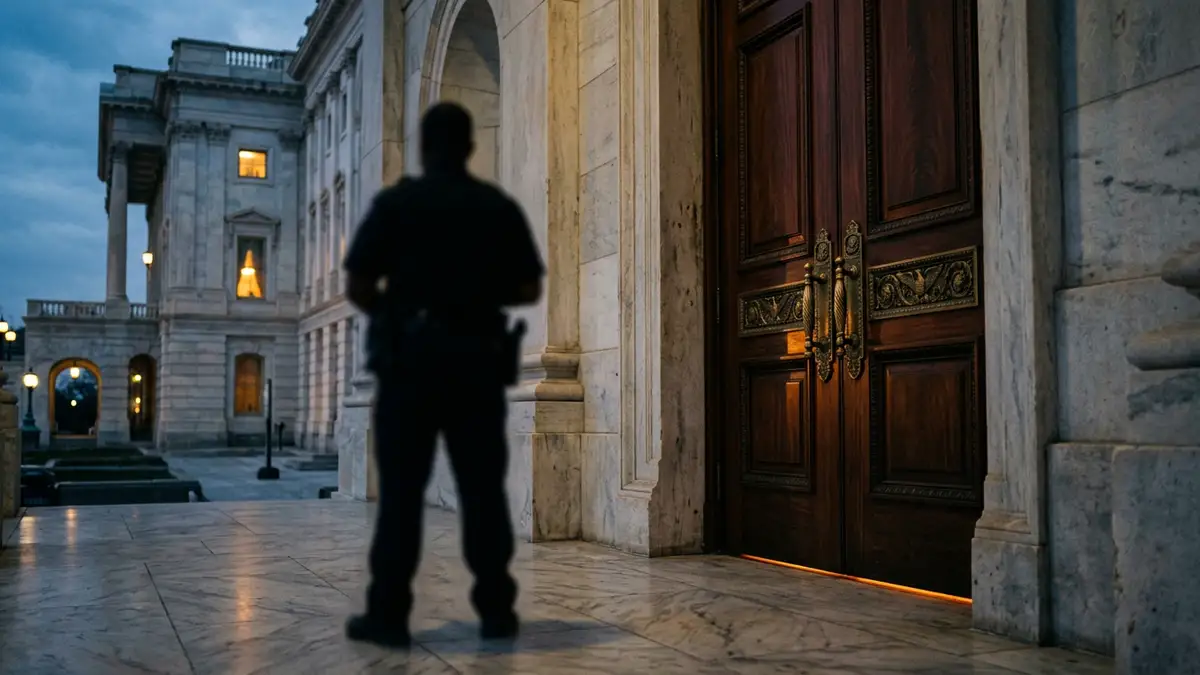
Image: Matt Weston / AI

Sarah Connor
Former President Bill Clinton and former Secretary of State Hillary Clinton appeared before the House Oversight Committee in a closed-door session to address their historical associations with the late financier Jeffrey Epstein.
This testimony follows decades of public scrutiny regarding the 1990s political landscape. It also addresses the fallout from the 2008 non-prosecution agreement involving Epstein in Florida.
Congressional investigators focused on the mechanics of travel and social engagements involving the former president. Documents from previous civil litigation place Bill Clinton on Epstein’s private aircraft on multiple occasions.
Hillary Clinton also faced direct questioning during the proceedings. Lawmakers asked her specifically about claims involving young women providing massages to her husband.
I would not speculate about allegations where I was not physically present.
Hillary Clinton replied that she would not speculate about allegations where she was not physically present. Bill Clinton asserted that his wife had no involvement with Epstein and stated she has no memory of meeting him.
Representative Anna Paulina Luna labeled Bill Clinton as cooperative and transparent with his answers. The Florida Republican noted his willingness to address the committee's inquiries directly throughout the session.
Representative Nancy Mace offered a different account of the proceedings involving the former Secretary of State. Mace claimed Hillary Clinton shouted during her deposition.
The House Oversight Committee continues to examine the social and economic networks surrounding Epstein. This investigation targets the intersection of high-profile political figures and the financier's operations.
Economic pressure from public advocacy groups has pushed for a full accounting of Epstein’s associates. The committee holds the authority to compel testimony to clarify these historical ties and fill gaps in the investigative record.
The closed-door nature of the testimony prevented public observation of the specific exchanges between lawmakers and the witnesses. Transcripts undergo a review process before any potential release to the public.
Hillary Clinton’s testimony marks a data point in the effort to document the reach of Epstein’s influence. The questioning touched on personal observations and administrative records from the period.
The landscape of this investigation has shifted as more individuals from Epstein’s circle face legal and legislative scrutiny. Lawmakers use these depositions to establish a definitive timeline of interactions.
I had no knowledge of the crimes.
Bill Clinton concluded his remarks by stating he had no knowledge of the crimes. He emphasized the limited nature of his involvement with Epstein during the years in question.
The committee's inquiry seeks to determine if political influence shielded Epstein from prosecution in earlier decades. Investigators are cross-referencing these new statements with flight logs and previous testimony from other associates.
The proceedings reflect a shift toward holding figures accountable for their historical associations. This push for transparency remains a central focus for the House Oversight Committee as they pursue further leads.
Future implications of these depositions may include the subpoenaing of additional records or witnesses linked to the Clintons. The committee has not yet set a date for the release of the full transcripts from these sessions.