BBC Faces Funding Crisis as Licence Fee Cancellations Mount
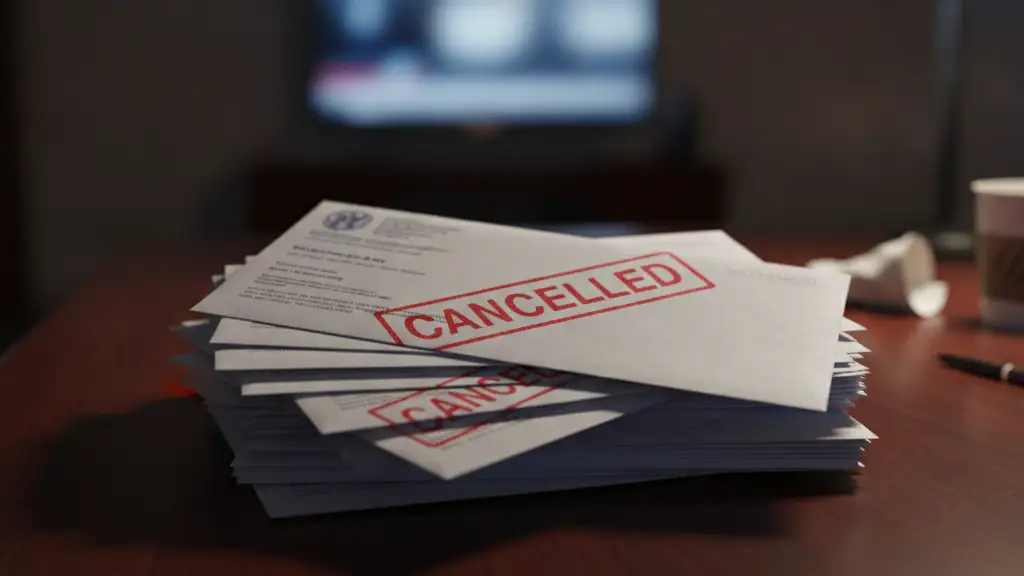
Over half a million households cancelled the **BBC** licence fee last year, forcing the corporation to confront a £500 million funding gap and question its foundational financial model.

Sarah Connor
The BBC confronts a deepening financial crisis as 539,000 households cancelled their licence fees last year, accelerating a decline in income that threatens its public service mission.
The real-term value of the licence fee plummeted by 26 percent since 2010, eroding the BBC's operational capacity.
This substantial decline in revenue arrives as the BBC's annual report states the current funding model fails to meet contemporary demands.
Director-General Matt Brittin described the licence fee as a 'straitjacket,' a model designed for 'the past when audiences are living in the future.'
The past when audiences are living in the future.
He emphasized the urgent need for change, calling the current funding mechanism a 'busted flush' in the streaming age.
BBC Chair Samir Shah confirmed the existing funding model cannot sustain the BBC’s vital public service mission.
Shah highlighted that 94 percent of adults use BBC services monthly, yet fewer than 80 percent of households contribute to its funding.
The funding gap 'is set to get wider,' Shah warned, projecting further financial strain without immediate intervention.
In response to these pressures, the BBC announced plans for significant savings across its news, nations, and content divisions.
These measures aim to deliver £160 million of the £500 million required by the 2028/29 financial year.
Berangere Michel, BBC chief financial officer, attributed the decline primarily to people not consuming licensable content, with evasion running at 12 percent.
Michel explained that changing viewing habits, particularly watching on catch-up via iPlayer rather than in real time, leads to people not paying.
The BBC's income fell by a quarter over the past decade, even as 94 percent of the population continues to use BBC TV, radio, and digital services.
The cost of a TV licence increased to £180 this year, generating an additional £36 million, but this has not offset the broader decline.
This decline in licence sales accelerated in 2025/26, with a lighter sports year also contributing to fewer new licence sales.
Culture Secretary Lisa Nandy confirmed the Government's commitment to retaining and reforming the licence fee.
Analysis of Nandy's suggestion to add an additional payment to streaming service subscriptions indicates it could still leave the BBC with a shortfall.
Beyond the legal debate, Brittin argued that Netflix, or its subscribers, should contribute to the licence fee, citing the BBC's role in providing skills and training opportunities for acting and production talent.
He stated these opportunities are a key reason streamers choose to make shows in the UK.
Households with streaming services could face a new top-up fee, as the government explores options for a major shake-up.
Brittin claimed drastic savings would result in beloved shows being axed and widespread job cuts, reflecting the severity of the financial pressures.
Drastic savings would result in beloved shows being axed and widespread job cuts.
Related Keywords
Netflix