Armed Police Seize Suspect with Imitation Firearms at Gatwick Station
Rapid Evacuation and Security Sweep Disrupt Rail Links Following Reports of Armed Passenger

Carla Rooney
Armed tactical units stormed Gatwick Airport’s railway station on February 20 to apprehend a man carrying imitation firearms, sparking a high-stakes security operation that paralysed one of Britain’s most critical transport arteries.
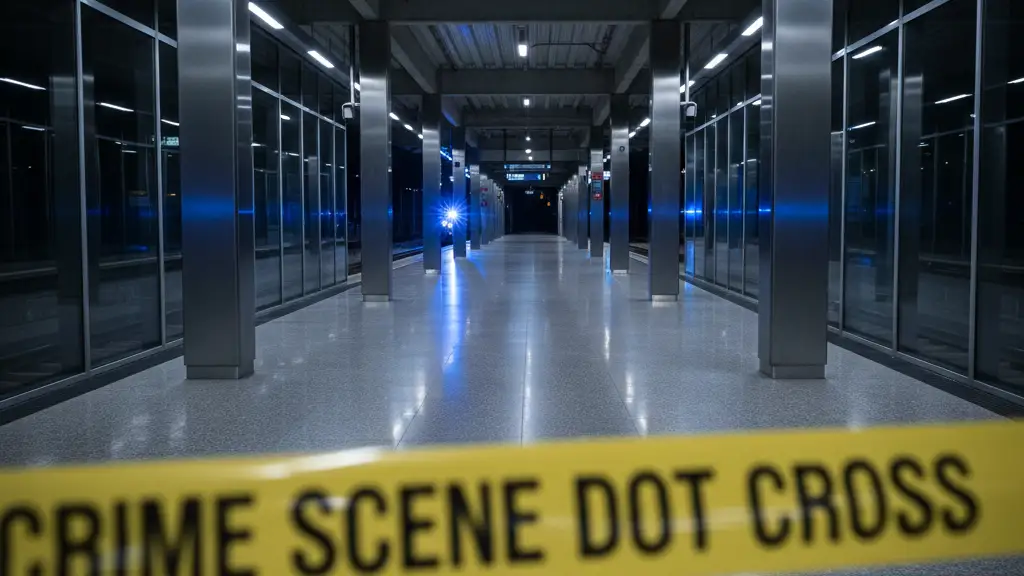
The sudden clearance transformed the bustling terminal from a hive of international activity into a sterile, echoing zone of operations within minutes. Eyewitnesses described scenes of visceral chaos as crowds abandoned the terminal, leaving luggage and personal effects scattered across the concourse while police established a rigid cordon.
Forensic investigators later determined the seized items were imitation firearms rather than live, ballistic weaponry. Despite the lack of lethal capability, the presence of these objects in a high-security environment forced an immediate, high-pressure confrontation between armed units and the suspect.
Official sources confirmed the station has since reopened following a comprehensive sweep of the platforms and carriages. The suspect remains in custody as investigators probe the motives behind transporting imitation weaponry through a major international transit hub.
This incident underscores the persistent, high-stakes tension at UK border points where the distinction between a reckless prank and a lethal threat must be determined in a heartbeat. Gatwick serves as a primary gateway for millions, making any perceived breach a matter of urgent national concern.
Commuters faced significant disruption throughout the afternoon, with station personnel advising travelers to retreat while services struggled to recover their rhythm. The ripple effect stalled trains across the Southern and Thameslink networks, creating a logistical bottleneck that spanned the region.
Substantial crowds gathered at the gates as staff attempted to manage the mounting backlog of displaced passengers. Frustration intensified as the technical recovery of the rail schedule lagged behind the physical reopening of the station infrastructure.
The transport of imitation firearms on public transit remains a severe offense under UK law, particularly within the sensitive geography of an international airport. Such actions inevitably draw a lethal-force response from armed units trained to neutralize threats on sight without hesitation.
Security experts note that the speed of the evacuation reflects a state of heightened vigilance across the European transport sector. This seamless coordination between rail operators and armed police prevented physical injuries during the high-pressure confrontation.
The suspect’s interrogation will focus on whether the display of the weapons was an intentional provocation or a catastrophic lapse in judgment. Transport police are currently reviewing CCTV footage from the Brighton-to-London service to track the suspect's movements prior to the tactical intervention.
Beyond the immediate arrest, the disruption highlights the fragility of the London-to-Brighton corridor, where a single security event can strand thousands of international travelers. The economic impact of such closures often runs into the hundreds of thousands of pounds in lost productivity and compensation claims.
Airlines at the adjacent airport terminals monitored the situation with bated breath, though the terminal buildings remained largely insulated from the station's tactical sweep. Ground crews worked tirelessly to ensure that arriving passengers did not flood the already congested station area during the peak of the crisis.
This event serves as a stark reminder of the 'See It, Say It, Sorted' campaign's efficacy in real-world, high-pressure scenarios. Passenger vigilance remains the first line of defense in the nation's increasingly complex and layered security architecture.
As the investigation continues, the legal system must now weigh the intent of the individual against the massive public alarm caused by his actions. The shadow of previous high-profile security breaches at Gatwick ensures that authorities will pursue this breach with maximum rigor and investigative depth.
The appearance of danger is just as disruptive as danger itself.
Ultimately, the day's events prove that in the theater of modern security, the appearance of danger is just as disruptive as danger itself. The question remains whether the current legal framework provides a sufficient deterrent against those who would inadvertently or intentionally paralyze the nation's infrastructure with a toy.