Wildfires Scorch 42,000 Hectares in Southwestern France Amid European Heatwave
Massive evacuations in France and Spain as firefighters battle uncontained blazes; climate change cited as a contributing factor.

Carla Rooney
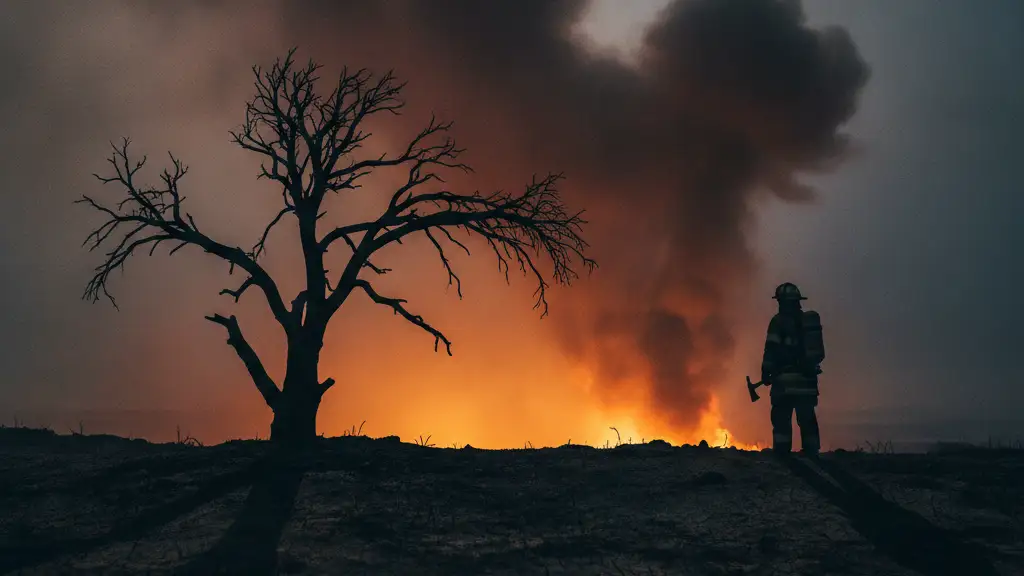
Wildfires have charred an area of 42,000 hectares, approximately 162 square miles, across southwestern France, prompting widespread evacuations and a massive emergency response.
Three firefighters died heroically on the Greek island of Crete, confirmed by a fire service statement; they fell safeguarding lives, property, and the natural environment.
Over 333,000 people evacuated homes and vacation sites across France and Spain, with approximately 8,000 individuals alone fleeing parts of Rethymno.
Emergency shelters, including 78 established by the Red Cross in Spain, provide critical refuge, housing displaced populations and offering a temporary haven from the inferno.
Lia Galata, a resident, recounted her harrowing escape, stating, "We barely made it... we were running and the fire was behind us, chasing us."
I didn't know if I was going to die from the fire or the ash, or from drowning in the sea. It was insane.
Galata further described the terror, saying, "I didn't know if I was going to die from the fire or the ash, or from drowning in the sea. It was insane."
Fires near Madrid ceased spreading, allowing residents to return home, a localized and temporary reprieve amidst the widespread destruction.
Spain set a new, grim record for the cumulative number of fires in 2026, while hundreds of homes evacuated in Turkey, though most fires there remain under control.
Enormous "fire clouds," known as pyrocumulonimbus, developed in France, signaling extreme and unpredictable fire behavior that complicates containment efforts.
Operations at the Golfech nuclear power plant in France resumed on Sunday, July 26, following a previous shutdown due to dangerously high river temperatures.
The tourism and manufacturing industries around Valencia crippled local economies; George and Amal Clooney reportedly evacuated their home in Brignoles, France, due to encroaching wildfires.
Pedro Sánchez stated Spain suffers the direct effects of the climate crisis, a declaration of political recognition.
Europe is heating up twice as fast as the global average, according to the Copernicus Climate Change Service; this factor exacerbates the current crisis, creating a volatile environment.
The heatwave at the end of June was the most severe ever recorded in Europe, intensifying conditions for wildfire ignition and rapid spread across the continent.
High temperatures, dry air, wind, and lack of rain contribute to the ignition and rapid spread of fires, combining to create a volatile environment across the continent.
The UK has recorded seven days with temperatures of 35°C or higher in the current year, surpassing the previous record of five days set in 1976, indicating a clear, alarming trend.
Two people have been arrested on suspicion of arson in France, adding a criminal dimension to the ongoing natural disaster and prompting further investigation.
Drought covers mainland France and Corsica, further intensifying the risk of new blazes and creating tinderbox conditions.
Wildfire conditions in Gironde, France, were calm overnight, but the blaze remains uncontained; continued vigilance from the 2,200 firefighters and over 20 aircraft deployed remains critical.
Humidity reached 80% overnight, and temperatures were expected to drop to 27 C (80 F) along the coast, offering some potential relief to the strained firefighting efforts.
An "orange" heat wave alert was lifted shortly before dawn, though record temperatures have been recorded in southwest France; rainfall and lower temperatures brought respite to Bordeaux, France, on Thursday morning.
Maria Zuber issued a stark warning regarding the escalating threat, her words cutting through the smoke and ash, stating, "The next risk, it's already moving to Greece and also Central Europe."
Greece for the moment was spared, and now we see that it will go to Greece, Italy will face risk at the beginning of August, and we will need to see what will happen with the Iberian Peninsula, because if (it is) there as well, we will have all Europe on fire.
She further cautioned, "Greece for the moment was spared, and now we see that it will go to Greece," adding, "Italy will face risk at the beginning of August, and we will need to see what will happen with the Iberian Peninsula, because if (it is) there as well, we will have all Europe on fire."