UK Braces for Fourth Heatwave as Regional Disparities Emerge
Southern England anticipates 35C highs while northern regions forecast cooler temperatures and rain.
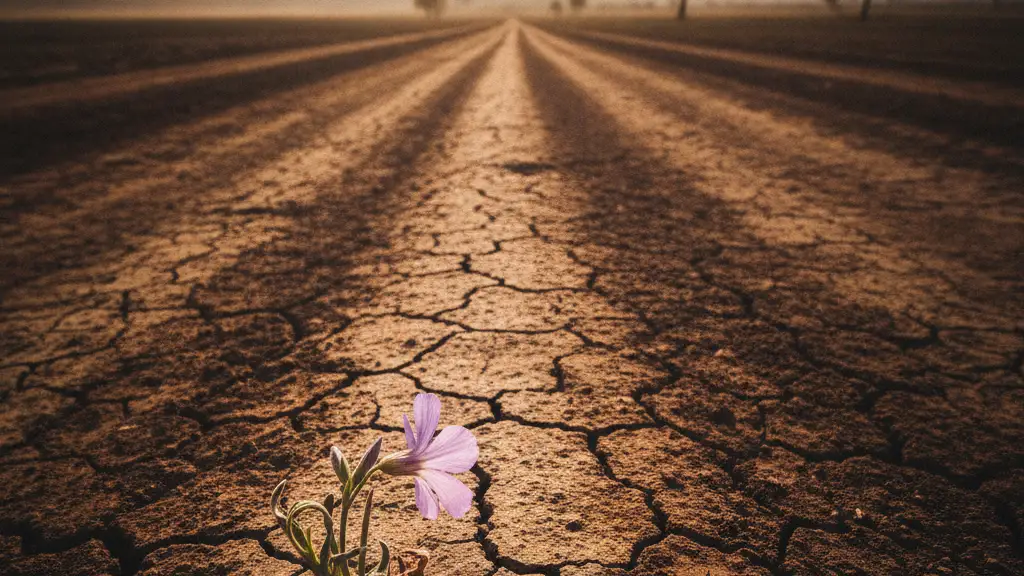
Image: Eddie Pollard / AI

Callum Smith
Regions across the UK are currently experiencing the fourth heatwave of the year, with significant temperature variations expected across the country.
Temperatures will peak on Wednesday, with southern areas anticipating highs of 35C. The UK Health Security Agency (UKHSA) issued an amber heat-health alert for the East Midlands, the East, South East, and London.
This alert commenced on Tuesday and remains in effect until Thursday. Yellow warnings also cover Yorkshire and The Humber, the West Midlands, and the South West, indicating broader areas of concern.
This pattern marks the fourth heatwave of 2024 for certain regions. Such frequent heat events place immense pressure on public health services and critical infrastructure.
Stakeholders, including emergency services and local councils, face heightened demands to manage heat-related health risks and maintain essential services. Beyond the immediate crisis, the long-term implications for urban planning and resource allocation loom large, demanding urgent strategic shifts.
For this evening, patchy rain is expected to sink south, reaching northern England and Wales. Any precipitation will mostly fade, offering little relief to the parched south.
The south, however, will experience a mild night, a stark contrast to the cooler, wetter conditions further north. This regional disparity creates varied impacts across the United Kingdom.
Despite the implied northward movement of the hot weather, the forecast for Merseyside indicates significantly cooler conditions. The Met Office forecast for Friday, Saturday, and Sunday in Merseyside shows maximum temperatures of 20°C, 19°C, and 22°C respectively.
This influences everything from daily life to economic activity. The strain on the National Health Service, already grappling with winter pressures, now extends into summer, demanding a year-round readiness for extreme weather events.