Trump Labels LeBron James 'Racist' Amidst Political Sports Commentary
President's White House remarks ignite controversy, contrasting James with 'friend' Michael Jordan.
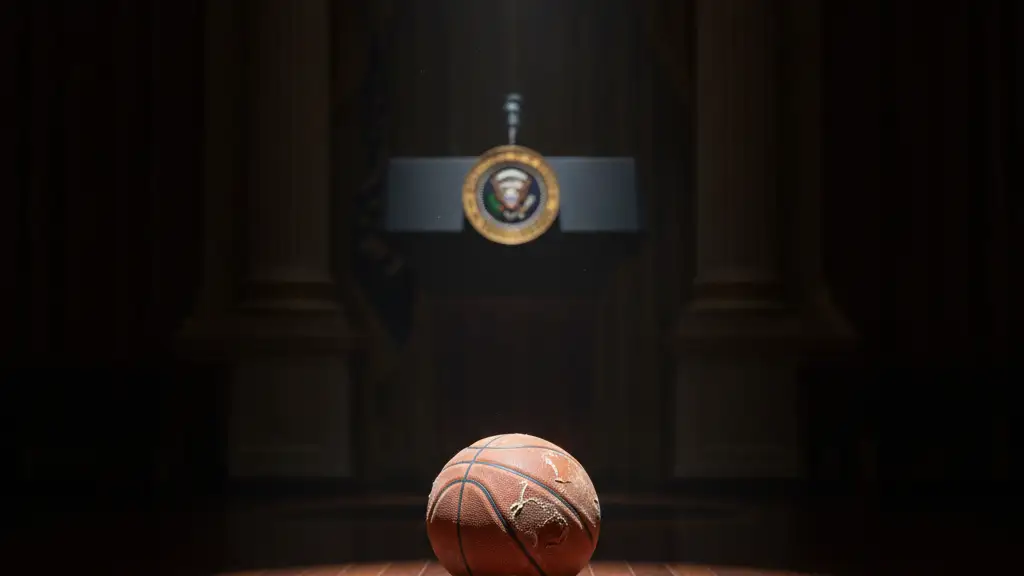
Image: Eddie Pollard / AI

Carla Rooney
Donald Trump ignited a political firestorm on Friday, publicly questioning LeBron James's racial views and political allegiances during a White House news conference.
Donald Trump described Michael Jordan as a personal friend, confirming, 'Michael Jordan is a guy that's a friend of mine. I play golf with him. He's a really good guy.'
This political commentary arrived as LeBron James reportedly intended to sign with the Philadelphia 76ers for the 2026 season, a claim initially made by Peter Doocy.
The Philadelphia 76ers officially confirmed LeBron James's intention to sign with the team on Friday, July 24, opting for the 76ers over other teams, including his former franchise, the Cleveland Cavaliers.
James himself confirmed on Friday, July 24, that his career would continue with a move to the Philadelphia 76ers, signing a two-year deal with a second-year player option.
James stands as the NBA's all-time leader in points and games played, his enduring impact on the sport undeniable.
The intersection of sports and politics carries a complex history, with athletes frequently becoming figures in broader societal debates.
Michael Jordan, a six-time NBA champion and five-time MVP, largely maintained public distance from political endorsements; Jordan's representatives denied any endorsement of a presidential candidate, pushing back against suggestions of political alignment.
Fake social media posts previously suggested Jordan had taken sides in the election, contributing to the narrative of athlete political involvement.
The current landscape sees prominent sports figures increasingly vocal on social and political issues, a significant shift from earlier eras where neutrality often served as the norm.
This dynamic places athletes like James under intense public scrutiny, their perceived political leanings becoming a subject of presidential commentary.
Economic pressures on athletes to maintain broad appeal often clash with personal convictions, creating a challenging environment for public figures.
Trump's remarks underscore ongoing tension between political figures and sports icons, particularly affecting those with significant cultural influence.
The future implications of such high-profile political statements on athlete endorsements and public perception remain critical; these discussions continue to unfold.
As James prepares for a new chapter with the Philadelphia 76ers, the political spotlight on his career shows no signs of dimming.