Taylor Swift Moves to Trademark Voice and Likeness Amid AI Concerns
Pop icon seeks legal protection for identity as digital exploitation intensifies across entertainment industry.
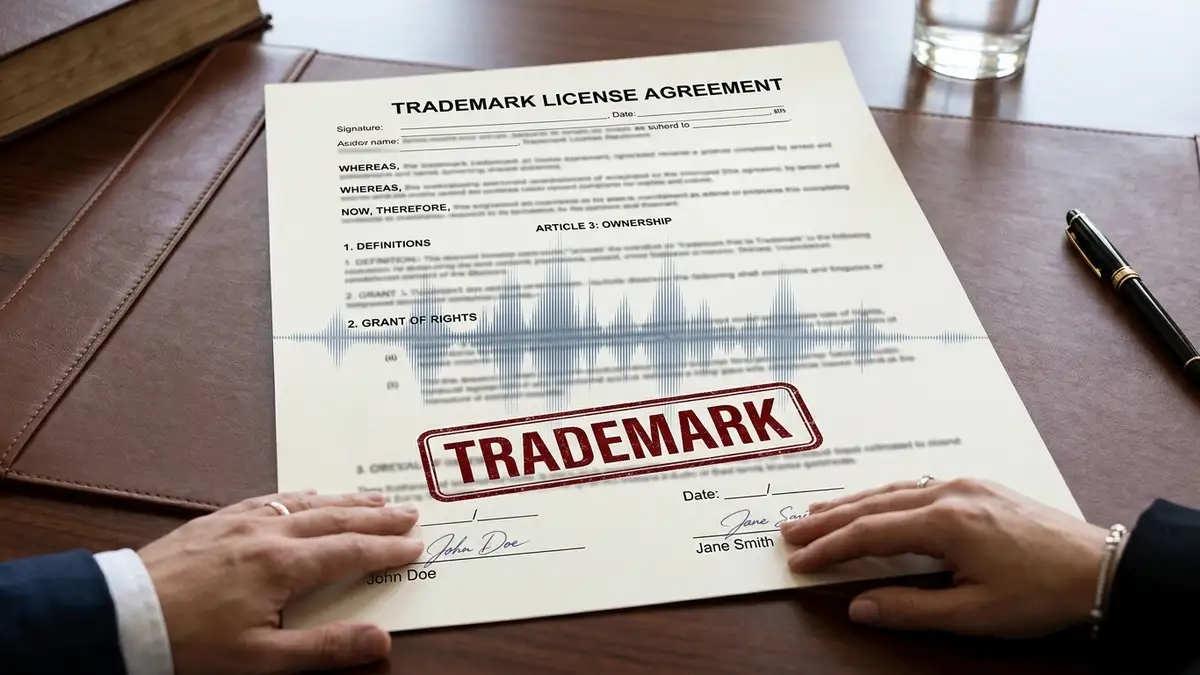
Image: Matt Weston / AI

Callum Smith
Taylor Swift initiated trademark applications for her voice and likeness, moving to secure her identity in an evolving digital landscape.
Trademark attorney Josh Gerben confirmed the filings aim to protect Swift from unauthorised AI recreations of herself.
Swift now stands at the forefront of artists confronting artificial intelligence's profound implications on personal branding and intellectual property.
Historically, artists consistently protected their unique attributes against unauthorised use.
Matthew McConaughey famously secured a trademark for his signature catchphrase, 'alright, alright, alright.'
This precedent shows public figures legally safeguarding elements of their persona, extending far beyond mere names or images.
The current legal framework struggles to keep pace with rapid advancements in AI technology, creating widespread digital exploitation.
Beyond the legal debate, entertainment industry stakeholders, from artists to major studios, observe these developments closely.
Meanwhile, public discourse around AI ethics and intellectual property rights intensifies with each new instance of misuse, pushing for clearer boundaries.
Economically, unauthorised use of celebrity images and voices could divert significant revenue streams from legitimate creators and rights holders, impacting millions across various sectors.
The landscape of digital rights management faces a profound shift, demanding innovative legal and technological solutions to protect intellectual property in this new era.
Swift's filings could establish a new benchmark for how artists protect their identities in the age of generative AI, influencing countless future legal battles.
This move reflects a broader societal concern regarding the authenticity and control of personal data in digital spaces, extending far beyond celebrity status.
Future legislation may draw upon cases like Swift's as lawmakers regulate AI's creative capabilities and its potential for infringement.
The music industry, in particular, watches for the outcomes of such legal actions, understanding the critical implications for vocal performances and digital avatars.
This legal challenge demands clearer guidelines on AI-generated content and its relationship to existing copyright and trademark laws, a debate spanning decades. The precedent set by Swift's actions could redefine intellectual property rights for artists globally, impacting how billions of dollars in creative content are protected.
The ongoing legal and technological arms race between creators and AI developers continues to shape the future of digital identity and artistic control.