Sydney Shark Attack Victim, 12, Dies in Hospital
A 12-year-old boy succumbs to injuries sustained in a Vaucluse rock-jumping incident, highlighting ongoing coastal safety concerns.

Sarah Connor
A 12-year-old boy has died in hospital a week after a severe shark attack in Sydney, during which he suffered critical injuries to both legs.
Nico Antic, recipient of the 2024 'most improved' award for under-11 boys, had been receiving treatment since the incident occurred while he was jumping off rocks in Vaucluse.
During the attack, a friend bravely managed to drag Antic onto the rocks while the shark remained in the vicinity.
First responders reached the scene within minutes of the alarm being raised.
Authorities suspect a bull shark was responsible for the attack, the latest in a concerning series of encounters along Australia's east coast.
The tragedy prompted the closure of a dozen beaches following heightened marine activity, underscoring the risks in areas known for predator presence.
Surf Life Saving NSW chief executive Steve Pearce issued a stark warning, advising against swimming or surfing near river mouths.
Pearce noted that heavy rainfall flushes significant run-off into the ocean and estuaries, creating conditions that attract bull sharks.
Marine Area Command Superintendent Joe McNulty corroborated this, stating the harbour's brackish nature holds a considerable volume of fresh water after recent rains.
Increased shark activity along the New South Wales coast over the past five years is also linked to pollutants and waste carried by land runoff.
These contaminants can disrupt sensory cues and alter shark behavior, while reduced water visibility from turbidity attracts prey closer to shore.
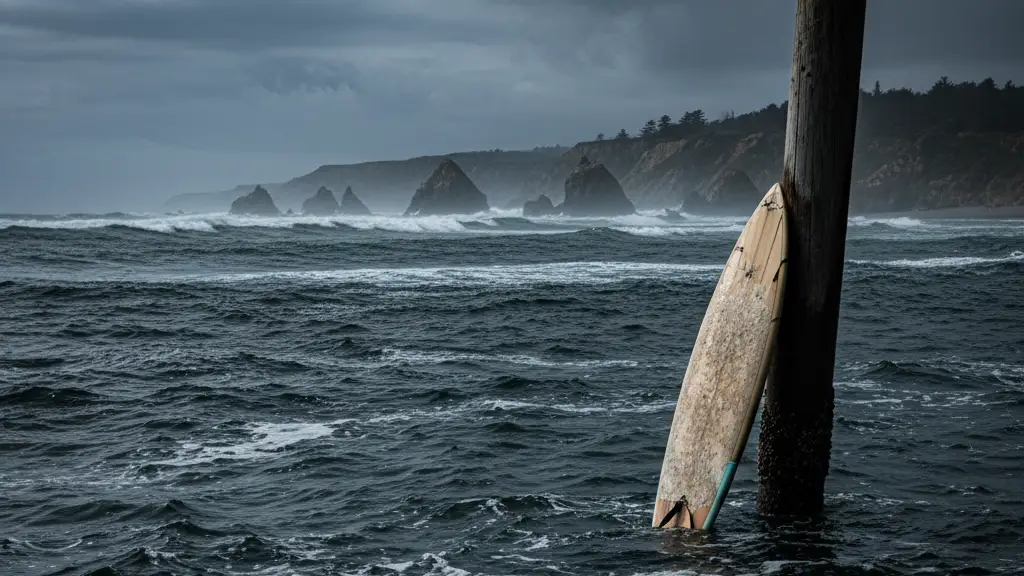
In a separate incident, an 11-year-old boy escaped unharmed when a shark bit his surfboard at Dee Why Beach.
The ongoing heavy swell along the New South Wales coast has hampered the deployment of smart drumlines, a key tool for monitoring shark movements.
In Vaucluse and other affected areas, mitigation strategies include the use of drones for aerial surveillance and the deployment of nets.
These measures follow a series of attacks, including the severe January 19, 2026, incident that led to immediate beach closures.
Prior to this, authorities reported three shark encounters in the Sydney area within 24 hours, including an attack on a 12-year-old boy.
Despite the name, shark attacks are rare at Shark Beach, which remains a popular swimming spot.
The Vaucluse area, known for its scenic cliffs and rock-jumping spots, has now become the site of a profound tragedy.
An online fundraising effort established to support Nico's family has garnered substantial donations, exceeding $240,000.
The community's response reflects a deep sense of solidarity and grief.
Increased activity on the east coast raises questions about environmental factors and human interaction with marine life.
Further analysis of environmental conditions and behavior patterns remains crucial in developing more effective safety measures for beachgoers.
Related Keywords
AustraliaSafetyWorld News