Spain Claims Second World Cup Title Over Argentina
Ferran Torres Secures Victory as Messi's International Future Remains Unclear
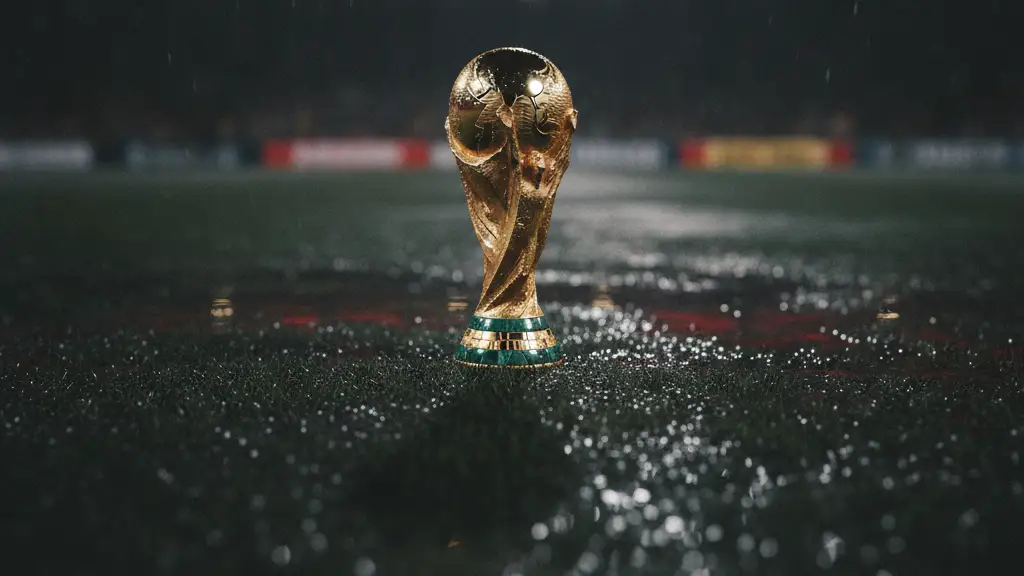
Image: Eddie Pollard / AI

Callum Smith
Spain has clinched its second World Cup title, defeating Argentina in a dramatic final decided by a late goal from Ferran Torres.
Torres found the net in the 106th minute, securing Spain's 1-0 victory.
Spain added another star to its footballing legacy with this triumph.
The match unfolded with intense physicality and disciplinary action, shaping the flow of the contest.
Midfielder Enzo Fernandez received a red card for Argentina after accumulating two bookable offenses, leaving his team with ten men before extra-time commenced.
Further disciplinary issues arose after the final whistle, as Leandro Paredes also saw a red card for Argentina following clashes between players from both sides.
For Argentina, the defeat carried a heavy weight, particularly for captain Lionel Messi, who participated in the World Cup 2026 final.
Messi walked separately from his teammates when they investigated a disturbance in the family section, fueling discussions about his international future.
El Ultimo Tango
The words 'El Ultimo Tango' emblazoned on Messi's boots offered a poignant hint at what many believe could be his final appearance for his national side.
At 39 years old, Messi will not feature in the 2030 tournament, making this final a potential swansong for the legendary player.
Despite the loss, Messi signed a new contract with Inter Miami in October, extending his commitment to the club until the end of the 2028 MLS season.
The defeat prompted President Javier Milei to announce a national holiday in Argentina.
Argentina's players would choose the date for this national holiday, rather than the government dictating it.
President Milei stated that Argentina's players would choose the date for this national holiday, rather than the government dictating it.
The future of Argentina's coaching staff also faces uncertainty, with head coach Lionel Scaloni hinting at his potential resignation following the final loss.
National team performances have triggered significant political and public responses in the past, connecting football and national identity.
Beyond the immediate aftermath, the next World Cup will be a multi-continental affair, hosted across Spain, Portugal, and Morocco, with additional matches scheduled in South America.
This expanded hosting arrangement reflects a broader trend in global football, involving more nations and regions in the sport's premier event.
Related Keywords
Football