Pope Leo XIV Declines Seat on Donald Trump’s Board of Peace as Inaugural Meeting Approaches
Cardinal Pietro Parolin cites specific concerns regarding the global initiative as the President-elect prepares for a high-stakes Washington summit.

Callum Smith
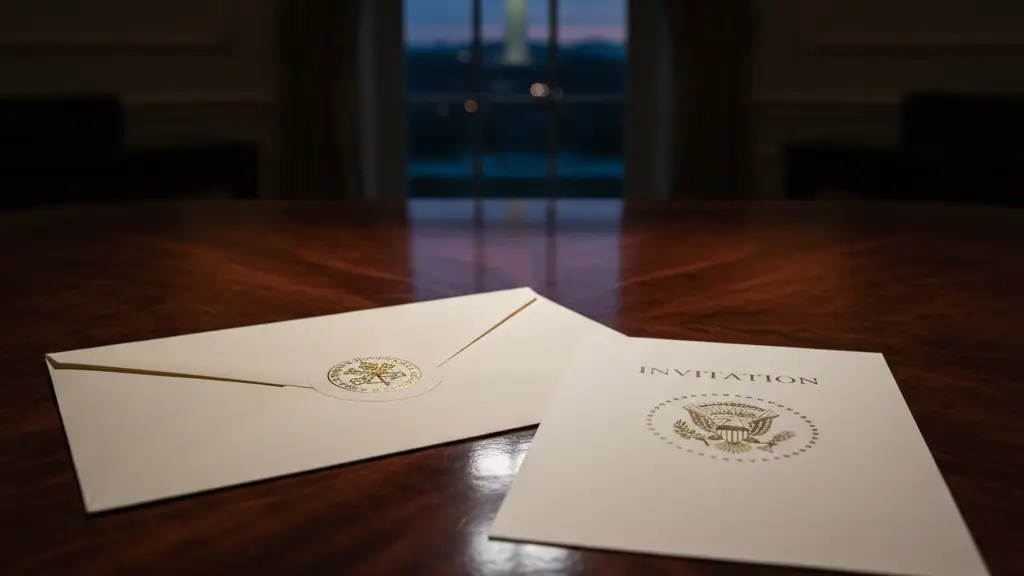
Pope Leo XIV has officially declined an invitation from Donald Trump to join the newly formed Board of Peace, signaling a significant diplomatic rift between the Vatican and the incoming administration.
Despite the conspicuous absence of the Holy See, the administration intends to convene a diverse assembly of international figures to address the widening gyre of global instability. Donald Trump originally conceived this body to supervise the fragile Gaza ceasefire and oversee the monumental reconstruction efforts required in the region.
The project was specifically designed to bypass traditional diplomatic channels, placing direct oversight of the conflict's aftermath into the hands of a hand-picked committee. Since its inception, the board's remit has expanded far beyond its initial scope to address a broad and complex range of global disputes.
This mission creep has contributed significantly to the Vatican's hesitation, as the body seeks to exert influence over multiple sovereign conflicts simultaneously. Mr. Trump claims the Board of Peace has already secured financial commitments exceeding $5 billion to fund the rebuilding of Gaza's shattered landscape.
These funds are intended to provide the financial backbone for a massive infrastructure overhaul in the war-torn territory, aiming to transform the region's physical reality. The Vatican’s decision to abstain reflects a historical preference for established multilateral institutions over ad-hoc committees led by single nations.
The board’s structure as a mechanism that could potentially undermine existing, time-tested diplomatic frameworks.
Cardinal Parolin confirmed that the Holy See views the board’s structure as a mechanism that could potentially undermine existing, time-tested diplomatic frameworks. Meanwhile, prominent Democrats have pushed back against the administration's long-term influence, suggesting Donald Trump would only remain in power for a few more years.
This domestic opposition has created a fractured front for international observers to navigate as they weigh their own participation in the project. These critics have signaled to international allies that the United States would eventually return as a strong, traditional partner with Europe.
They argue that the current shift toward unilateral boards is merely a temporary departure from decades of established American foreign policy. Beyond the political friction, the $5 billion in pledged reconstruction funds represents a massive logistical challenge that the board must manage without the Vatican's moral authority.
The administration remains confident that these substantial financial commitments will ensure the board's relevance and power on the world stage. Washington is currently bracing for the February 19 summit, which is expected to draw significant protests and require high-level security measures.
The meeting will serve as the first true test of whether the board can function as a legitimate governing body for international crises. The expansion of the board’s remit into 'global disputes' suggests it may eventually intervene in Eastern European or South China Sea tensions.
This broad mandate has sparked a fierce debate among foreign policy experts regarding the legal and ethical limits of the board's jurisdiction. Vatican officials have historically been cautious about joining bodies that lack clear accountability to the rigours of international law.
By declining the seat, Pope Leo XIV maintains the Church's position as an independent mediator rather than a participant in a politically charged council. The President-elect has frequently touted the board as a necessary replacement for what he describes as ineffective and bloated global organizations.
Ineffective and bloated global organizations.
This rhetoric has further alienated traditional allies who view the Board of Peace as a direct challenge to the United Nations' authority. Democratic leaders continue to emphasize that the board’s lifespan may be tied directly to the current administration’s specific tenure.
They have urged foreign leaders to consider the long-term stability of their agreements before tethering themselves to the Board of Peace. The upcoming Washington summit will likely focus on the immediate and transparent allocation of the $5 billion earmarked for Gaza.
Planners are currently working to establish a rigorous mechanism for distributing these funds to avoid any allegations of mismanagement or corruption. International allies remain deeply divided on whether to support the board or wait for an eventual return to traditional diplomacy.
The Vatican’s exit provides a convenient diplomatic cover for other states that may be hesitant to join the Trump-led initiative. This Board of Peace represents a radical departure from the way the United States has historically managed reconstruction and ceasefires.
Its success or failure will likely define the President-elect’s legacy in the Middle East and his broader impact on the global order. As the February 19 meeting approaches, the administration continues to solicit participation from a variety of other religious and secular leaders.
The ultimate goal remains to create a body that carries enough weight to enforce its decisions on the ground in Gaza and beyond. This high-stakes experiment in unilateralism will either forge a new path for conflict resolution or collapse under the weight of its own ambition.