Leeds United Supporters Jeer Manchester City Players During Ramadan Break
Elland Road Crowd Disrupts Fast-Breaking Interval as Tensions Boil Over in Premier League Clash
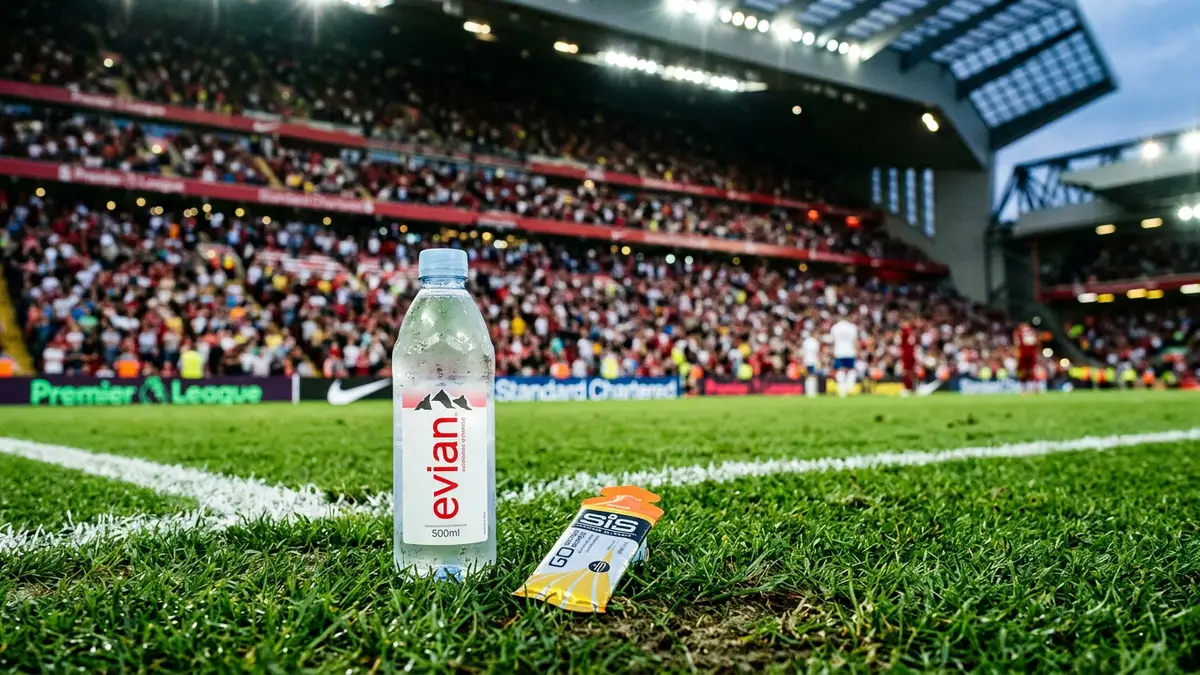
Image: Matt Weston / AI

Sarah Connor
A section of the Leeds United crowd targeted Manchester City’s Muslim players with boos and jeers during a sanctioned pause for Ramadan at Elland Road on Saturday.
Manchester City players moved to the touchline to consume liquids and nutritional gels. A vocal portion of the home support met this movement with a sustained round of booing.
The anti-discrimination organization Kick It Out confirmed the disruption. The jeering lasted less than 120 seconds before play resumed.
Some of the supporters did it, so we try to learn out of it, it’s disappointing.
This incident marks a flashpoint in the drive to modernize top-flight football through inclusive scheduling. The Premier League has abandoned rigid adherence to the clock in favor of a model that respects its global talent pool.
Leeds United assistant Edmund Riemer addressed the conduct of the home fans immediately following the final whistle. 'Some of the supporters did it, so we try to learn out of it, it’s disappointing,' Riemer said.
Riemer acknowledged the necessity for internal reflection within the club. 'We need to do better next time,' he added as the club faces the fallout of the crowd's actions.
Manchester City manager Pep Guardiola demanded respect regarding the incident. His frustration manifested physically as he engaged in a stand-off with fans hurling insults toward his technical area.
The hostility spilled onto the pitch where Bernardo Silva moved toward the Leeds United supporters. Silva appeared to goad the crowd, further inflaming the volatile atmosphere inside the stadium.
We need to do better next time.
This friction highlights the economic and social pressures mounting on clubs to manage fan behavior under strict anti-discrimination protocols. The Football Association maintains the power to issue fines or stadium restrictions when supporters fail to adhere to these standards.
The match concluded in chaos as Leeds United manager Daniel Farke received a red card after the final whistle. Farke confronted Peter Bankes on the pitch, remonstrating over the official's refusal to elongate stoppage time.
The atmosphere remained hostile throughout the remainder of the fixture. Supporters expressed visible frustration with both the officiating and the eventual result as the match progressed.
For Leeds United, the incident represents a significant setback in community relations. The club has not yet released a formal statement detailing specific bans for the individuals involved in the jeering.
The Football Association is launching a disciplinary review into the conduct of the crowd. This review involves a meticulous examination of CCTV footage and referee reports to identify specific agitators.
The integration of religious breaks for Ramadan is a recent development in English football. These pauses ensure player safety and performance levels during periods of intense physical exertion while fasting.
Stakeholders across the league, including players' unions and advocacy groups, view these breaks as essential for the modern game. Any disruption to these protocols challenges the league's commitment to a multi-faith sporting environment.
The financial implications for clubs found in breach of conduct rules can be substantial. Beyond direct fines, reputational damage impacts sponsorship deals and global brand perception in a competitive market.
Manchester City players continued their professional duties despite the vocal opposition from the stands. Their adherence to nutritional requirements during the brief window maintained their physical output.
The silence from the Leeds United board regarding immediate sanctions has drawn attention from observers. Without swift action, the club risks further scrutiny from governing bodies and anti-racism campaigners.
The events at Elland Road serve as a data point in the struggle to eliminate discriminatory behavior from the terraces. It exposes the gap between administrative policy and the lived experience of players on the pitch.