Kate Cassidy Removes Liam Payne Tribute Tattoo Amidst New Beginnings
Cassidy cites poor execution for tattoo removal, while also reportedly preparing to re-enter the dating scene 18 months after Payne's death.
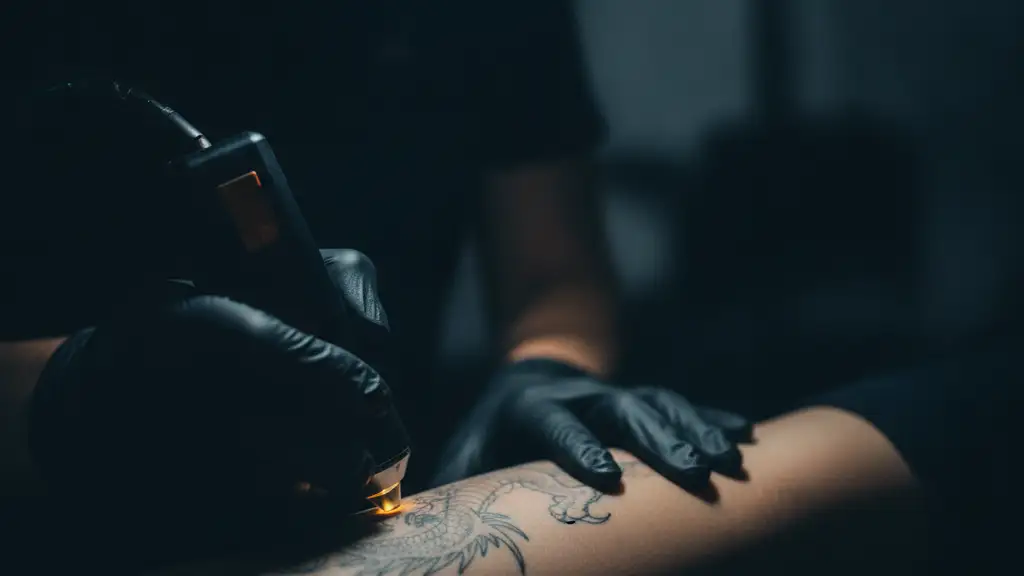
Image: Eddie Pollard / AI

Callum Smith
Kate Cassidy is having a tattoo tribute to the late Liam Payne removed, marking a significant step in her personal journey following his passing.
Payne had penned a letter for Cassidy, a poignant document that included the digits '444' and articulated a profound wish: engagement and marriage within a year.
Eighteen months have elapsed since that devastating event, and Cassidy now navigates a public landscape fraught with scrutiny. Her recent return from Montauk, New York, drew immediate public attention, sparking widespread speculation among fans.
Many fans questioned the whereabouts of her dog, Nala, during her absence, suggesting she might have rehomed the animal.
Beyond travel, Cassidy has initiated the removal of several tattoos. She asserts these markings were poorly executed, stating her intention to eventually have them redone with greater precision.
This decision, while seemingly personal, aligns with a broader shift in her life. Cassidy now feels prepared to re-enter the dating world, a significant step after the profound loss she experienced.
She articulates a clear conviction: Liam Payne would have endorsed her decision to move forward. This statement attempts to reconcile her present actions with the enduring memory of their relationship.
Historically, public figures and their partners often face immense pressure to grieve publicly and perpetually. The expectation for a partner to remain in a state of mourning can become a societal burden, particularly when the relationship was highly visible.
Consider the intense media scrutiny surrounding Yoko Ono after John Lennon's assassination in 1980, or the ongoing public fascination with Princess Diana's legacy decades after her 1997 death. These cases illustrate a pattern of public ownership over private grief.
Stakeholders in this narrative include not only Cassidy herself but also Payne's vast fanbase, a collective numbering in the millions across platforms like Instagram and X. Their emotional investment shapes the public discourse, often dictating the perceived 'appropriateness' of a grieving process.
Economic pressures also play a subtle role; the continued interest in Payne's life and legacy fuels content creation and engagement, indirectly influencing how Cassidy's actions are framed and consumed. Every public move becomes a data point, analyzed and debated.
The landscape of celebrity grief has shifted dramatically with the advent of social media. Platforms provide direct access for fans to express opinions, creating an immediate and often overwhelming feedback loop that traditional media outlets once mediated.
This direct engagement means Cassidy's choices, from her Montauk trip to her tattoo removal, are instantly dissected by a global audience. The digital age amplifies both support and criticism, making the navigation of personal life a constant performance.
Her assertion that Payne would have wanted her to move on represents an an attempt to reclaim agency in her narrative. It is a declaration of personal understanding, offered to a public that often feels entitled to dictate the terms of mourning.
The '444' digits in Payne's letter, often associated with angelic guidance and new beginnings in numerology, add another layer of symbolic weight. This detail suggests a forward-looking sentiment even in his final communications.
Cassidy's journey reflects a broader societal conversation about grief, healing, and the right to personal evolution after loss. It challenges the static image often imposed on those left behind by tragedy.
The decision to remove tattoos, for instance, can be interpreted as a physical manifestation of shedding an old skin, preparing for a new phase. It is a tangible act of transformation, visible to the public eye.
Ultimately, Cassidy's actions force a confrontation with the uncomfortable truth: life continues, even after profound loss. Her choices, whether popular or not, underscore the individual nature of healing in an intensely public arena.
The narrative surrounding her continues to evolve, a testament to the enduring impact of Liam Payne's life and the complex, often contradictory, expectations placed upon those who survive such a public tragedy.