Inquest to Examine Nobby Stiles' CTE Death, Family Alleges Football's Culpability
South Manchester Coroners Court to investigate link between heading and neurodegenerative disease in 1966 World Cup winner.
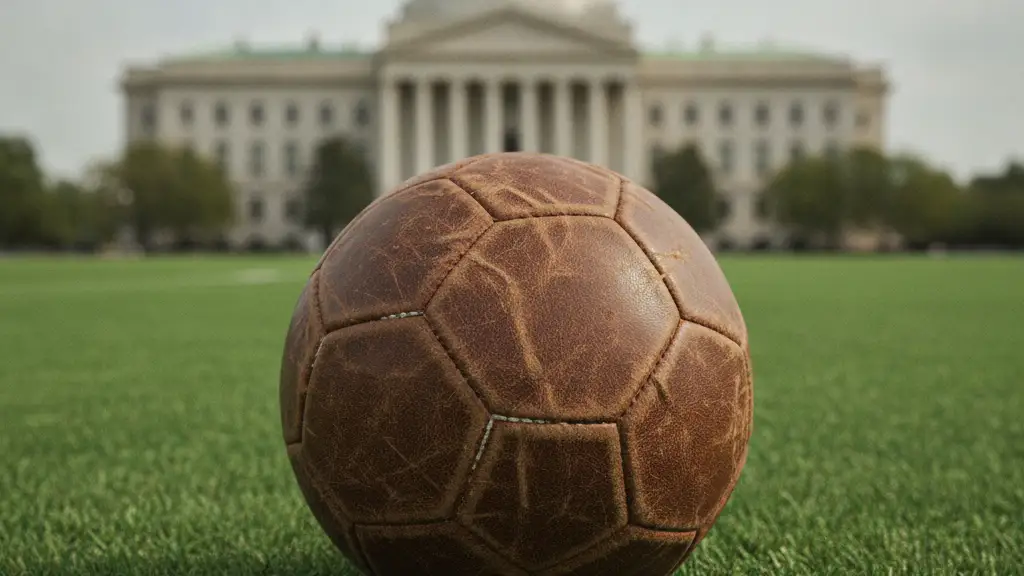
Image: Matt Weston / AI

Callum Smith
An inquest will probe the death of Nobby Stiles, a key figure in England's 1966 World Cup victory, who died from high-stage chronic traumatic encephalopathy (CTE).
John Stiles states unequivocally that football 'killed' his father, a stark accusation reverberating through the sport.
This assertion fuels a broader campaign by Football Families for Justice, led by John Stiles, demanding greater assistance for former players grappling with similar health crises.
Beyond the legal debate, John Stiles detailed his father's need to sell World Cup winner's medals, financing essential dementia care and revealing the direct financial burden on affected families.
Lawyers representing dozens of former footballers and their families pursue legal action against football authorities, alleging negligence.
They contend these bodies breached their duty of care, knowing for decades about the brain injury risks associated with repeated heading in training and matches.
The Football Association itself acknowledged in the High Court that heading a ball, or even 'occasional' concussion, causes permanent brain damage.
This admission follows a significant 2019 study, co-funded by the FA, which established a critical link: footballers are 3.5 times more likely to die from neurodegenerative disease.
Gordon McQueen, another prominent figure in English football, also died from CTE, underscoring the condition's presence within the sport.
Current legal and medical scrutiny parallels historical concerns about player welfare, though the direct link to neurodegenerative disease only recently gained widespread recognition and scientific backing.
For decades, football's physical toll focused primarily on musculoskeletal injuries, overlooking the insidious, long-term neurological damage now dominating discussions.
These ongoing legal challenges shift responsibility for player health squarely onto the governing bodies.
The FA responded by implementing a policy to phase out heading in youth football for players up to under-11s, with full implementation anticipated by 2026.
This policy change reflects a growing understanding of the risks, but critics argue it arrives too late for a generation of players like Stiles.
Born in Manchester in 1942, Nobby Stiles played nearly 400 times for Manchester United, cementing his status as a legendary figure in the club's history.
His passing leaves Geoff Hurst as the sole surviving member of the iconic 1966 England World Cup-winning team, a fact highlighting the advancing age of the squad members.
This demographic reality drives the urgency of addressing these health concerns for past and present players.
The Stiles family continues its active campaign, pushing football authorities to provide substantial support for ex-players grappling with injuries they directly attribute to their playing careers.