Ghana Party in the Park Festival Shut Down Amid Overcrowding and Injuries
Three Hospitalised After Crowd Surge at Barnet Event; Police Debunk Stabbing Rumours

Sarah Connor
Multiple individuals sustained injuries at the Ghana Party in the Park festival in Barnet, London, leading to its abrupt closure.
The Metropolitan Police swiftly debunked widespread speculation regarding a stabbing at the Ghana Party in the Park festival. A Met Police spokesperson confirmed such rumors were inaccurate.
A small fire near the entrance had necessitated a temporary closure of the gates, the spokesperson clarified.
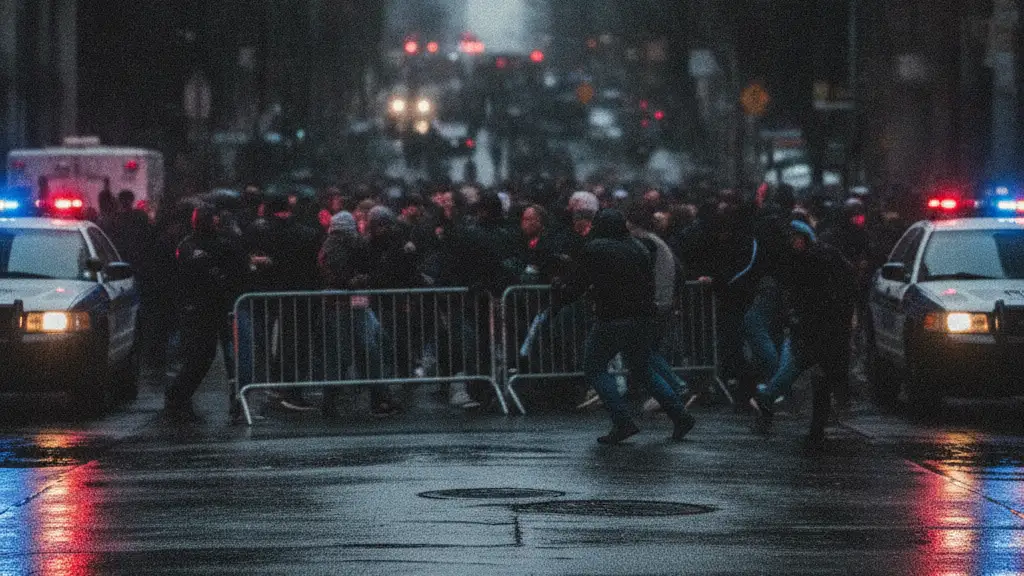
Authorities subsequently reopened the gates. A large crowd surged forward, directly causing the crush incident.
Organizers stated the closure was solely on health and safety grounds. This decision was made in consultation with emergency services.
We would like to clarify that there were no incidents of stabbing and deaths as being speculated.
Ghana Party in the Park organizers reiterated: "We would like to clarify that there were no incidents of stabbing and deaths as being speculated." They further stated: "Following discussions with the emergency services and our health and safety team, it was agreed that closing the festival was the safest option in order to protect all attendees."
Barnet Council corroborated the event's early conclusion, citing overcrowding and injuries. A spokesman for Barnet Council stated: "The Ghana Party in the Park event at Copthall Playing Fields has ended early this evening after an overcrowding issue at the entrance saw several people sustain non-life threatening injuries."
The festival, which attracts over 8,000 people and was headlined in 2020 by Shatta Wale, faced significant logistical challenges. One unnamed attendee claimed people had been unable to enter the event since 2pm, with approximately 1,000 individuals reportedly remaining outside the venue.
Historically, large-scale public gatherings, particularly those drawing thousands, demand meticulous crowd management and robust safety protocols. The 2010 Love Parade disaster in Germany, where 21 people died in a similar crush, stands as a historical precedent for the dangers of inadequate crowd control.
Stakeholders, including event organizers, local councils, and emergency services, face immense pressure to ensure public safety. They often balance economic pressures for maximum attendance against optimal safety measures.
The swift response of emergency services, including the deployment of two air ambulances, prevented more serious outcomes for the three injured individuals. Despite organizers stating the closure was solely on health and safety grounds, one festivalgoer claimed the event was "dirty" and blamed "poor planning" for the abrupt shutdown.
The festival's abrupt end leaves critical questions regarding future event planning and the measures required to prevent similar occurrences at such popular cultural gatherings. Looking ahead, the landscape of large public events shifts towards more stringent regulatory oversight and technological solutions for crowd flow, such as smart ticketing systems and real-time crowd density monitoring.