Florida Schedules Double Execution Amid Innocence Claims and Protocol Concerns
James Aren Duckett and Dominick Anthony Occhicone face execution today as legal challenges persist and questions arise over state practices.
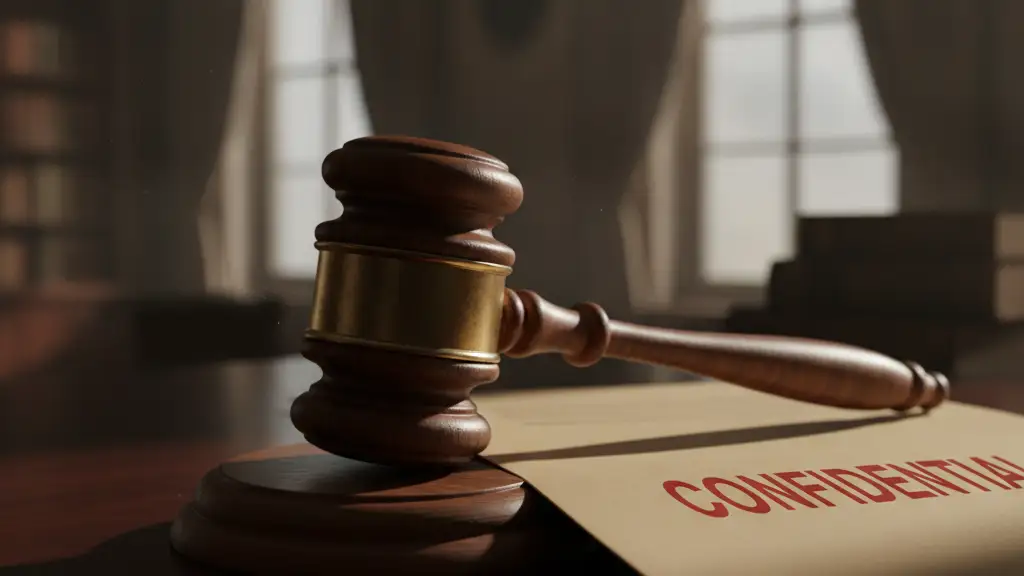
Image: Eddie Pollard / AI

Sarah Connor
Florida is set to carry out two executions today, with James Aren Duckett scheduled for noon and Dominick Anthony Occhicone later in the day.
Donald Duckett and Harvey Occhicone face execution following the Florida Supreme Court's denial of their final appeals in the last week of 2025.
Duckett was convicted for the 1987 rape and drowning of an 11-year-old girl; Occhicone was found guilty of the 1986 killings of his ex-girlfriend’s parents.
Duckett's attorneys maintain his innocence, asserting the state’s handling of DNA evidence produced inconclusive results.
The Florida Supreme Court had previously issued a stay for Duckett in February 2025, allowing for DNA testing which ultimately yielded no definitive conclusions.
Occhicone’s legal team contends that several age-related ailments could render his execution particularly painful, potentially constituting cruel and unusual punishment.
Matt Wells claims Florida regularly violates its own execution protocols, reportedly using expired drugs and incorrect doses.
Governor DeSantis oversaw a record 19 executions in 2025, accelerating the state's application of capital punishment.
This surge in executions stands in stark contrast to public sentiment.
Floridians for Alternatives to the Death Penalty claim Florida continues to expand the use of capital punishment, despite mounting evidence that it is not what Floridians want.
The state's aggressive stance on executions raises significant questions about public will and judicial practice.
Beyond the legal debate, difficulties in procuring lethal injection drugs have led some US death penalty states to revive the firing squad.
This shift highlights broader challenges in execution methods across the nation.
Meanwhile, in a separate development, Jimmie Duncan walked free from death row in Louisiana in the last month of 2025.
His conviction, based on bite mark analysis, was deemed scientifically indefensible, overturning years of legal precedent.
This case casts a long shadow over the reliability of past judgments.
Florida's commitment to carrying out these double executions today stands in stark contrast to the persistent claims of innocence and procedural flaws raised by defense teams.
The state pushes forward, seemingly impervious to external pressures.
The state faces increasing scrutiny over its execution protocols and the broader ethical questions surrounding capital punishment.
Concerns regarding drug procurement and scientific validity in other cases amplify this pressure.
Historically, the application of capital punishment in Florida has seen periods of intense activity, often tied to political cycles and public outcry.
The current acceleration under Governor DeSantis marks a significant historical peak, surpassing previous years.
This surge in executions, reaching 19 in 2025, reflects a deliberate policy choice, not merely a backlog clearance.
It signals a firm commitment to capital punishment as a tool of state justice.
Stakeholders across the political spectrum exert immense pressure on the system.
Public opinion, while complex, shows growing unease with the death penalty, as highlighted by groups like Floridians for Alternatives to the Death Penalty.
Economically, the cost of appeals and prolonged legal battles for death row inmates often exceeds that of life imprisonment.
This financial burden adds another layer to the public debate, challenging the perceived efficiency of capital punishment.
The landscape of forensic science continues its rapid evolution, as evidenced by the exoneration of Jimmie Duncan.
Bite mark analysis, once considered reliable, now faces widespread scientific rejection.
This scientific shift directly impacts the validity of past convictions, including those in Florida, where older forensic techniques may have played a role.
The legal system struggles to adapt to these advancements.
The future of execution methods remains uncertain, with drug shortages forcing states to consider alternatives like the firing squad.
This pragmatic shift reveals the fragility of current protocols.
Florida's steadfast pursuit of these executions, despite the broader national trends and scientific re-evaluations, positions it at a critical juncture.
The state's actions will undoubtedly shape future legal and ethical discussions.
The denial of appeals for Duckett and Occhicone, occurring in the final week of 2025, clears the last legal hurdles.
The path to execution is now unobstructed, setting the stage for today's events.