CMA Launches Investigation into Global Hotel Chains and CoStar Over Suspected Price-Fixing
Regulators scrutinize Hilton, Marriott, and IHG as algorithms and data analytics tools face unprecedented competition law audit
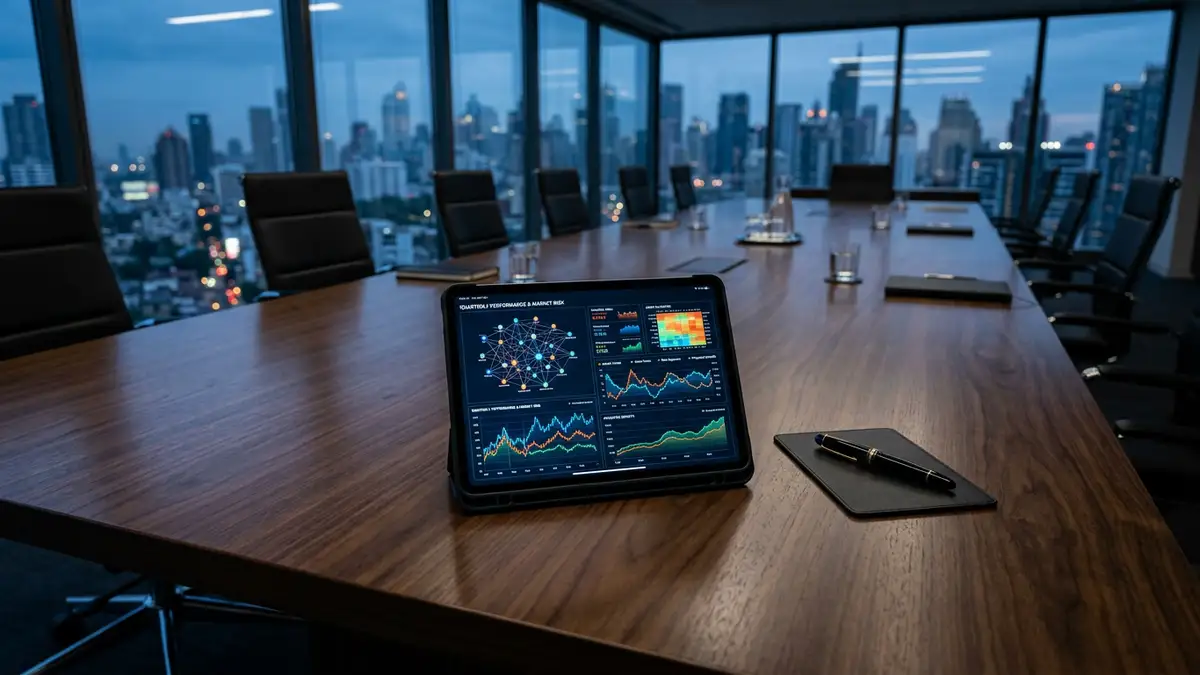
Image: Matt Weston / AI

Callum Smith
The Competition and Markets Authority has opened a formal investigation into global hotel giants and the data firm CoStar over allegations of price-fixing facilitated by sophisticated analytics tools.
This probe targets the high-stakes intersection of software-as-a-service and competition law. Regulators examine how real-time benchmarking and sophisticated algorithms distort the hospitality market.
The infrastructure behind this data exchange changed hands in 2019. CoStar acquired the STR business for $450 million.
This acquisition integrated a platform tracking 50,000 hotels and nearly 7 million rooms globally into CoStar’s expansive analytics suite.
For decades, STR has functioned as the primary benchmarking platform for the global hospitality sector. It provides a digital dashboard where hotels compare occupancy levels and room rates against direct competitors in real-time.
The CMA maintains that these businesses share granular information through this mechanism to align market strategies.
This investigation shifts how the watchdog monitors the influence of digital tools on corporate pricing.
The UK hotel market generated over £20 billion in annual revenue prior to recent economic shifts. This scale makes the sector a priority target for regulators monitoring algorithmic collusion.
Political pressure on the CMA intensified as digital pricing tools became standard across the global industry.
Officials now audit the specific code and algorithms used to suggest room rates to millions of consumers.
We are surprised at the CMA’s interest in a long-standing hotel data analytics and benchmarking platform.
A CoStar spokesperson stated, 'We are surprised at the CMA’s interest in a long-standing hotel data analytics and benchmarking platform.'
The representative noted that for decades, companies and government entities have used the tool to assess market dynamics.
The CMA possesses the legal authority to demand internal documents and private communications from all involved entities.
No formal assumptions exist regarding whether the law has been broken during this evidence-gathering phase.
Legal frameworks in the UK prohibit any agreements or concerted practices that prevent, restrict, or distort competition.
The eventual outcome of this probe dictates how multinational corporations utilize third-party data providers in the coming years.
IHG, the parent company of Holiday Inn, operates approximately 6,000 hotels across 100 different countries.
The volume of data processed by CoStar provides a map of global occupancy that IHG and its rivals utilize daily.
Failure to comply with these competition laws carries heavy financial risks for the firms involved. Companies found in breach of the rules face fines of up to 10% of their annual global turnover.
For global entities like Marriott and Hilton, these penalties reach into the billions of dollars. This financial threat drives the CMA's move to seize internal records.
Industry analysts note that the STR platform has been a staple of the hospitality landscape for years.
Its transition from a reporting tool to a real-time algorithmic driver is the central point of contention for the regulator.
The CMA gathers evidence from the named hotel chains to determine if information exchange led to artificially inflated prices.
This process involves a detailed audit of the software used to manage room inventory and pricing tiers.
The investigation does not have a definitive timeline for its conclusion. Regulators move through a massive volume of digital records and internal correspondence to find evidence of coordination.
This case applies traditional competition law to modern, data-heavy environments.
The focus remains on whether transparency between competitors crossed the line into illegal collusion.
The CMA continues to monitor the hospitality sector as it recovers and adapts to new digital standards.
Further updates follow as the watchdog processes the initial wave of demanded documents from the hotel giants.