Betfred Announces Closure of 132 Shops Amidst Economic Pressures
Higher taxes and economic uncertainty cited as primary drivers for significant retail retrenchment across the betting industry.

Carla Rooney
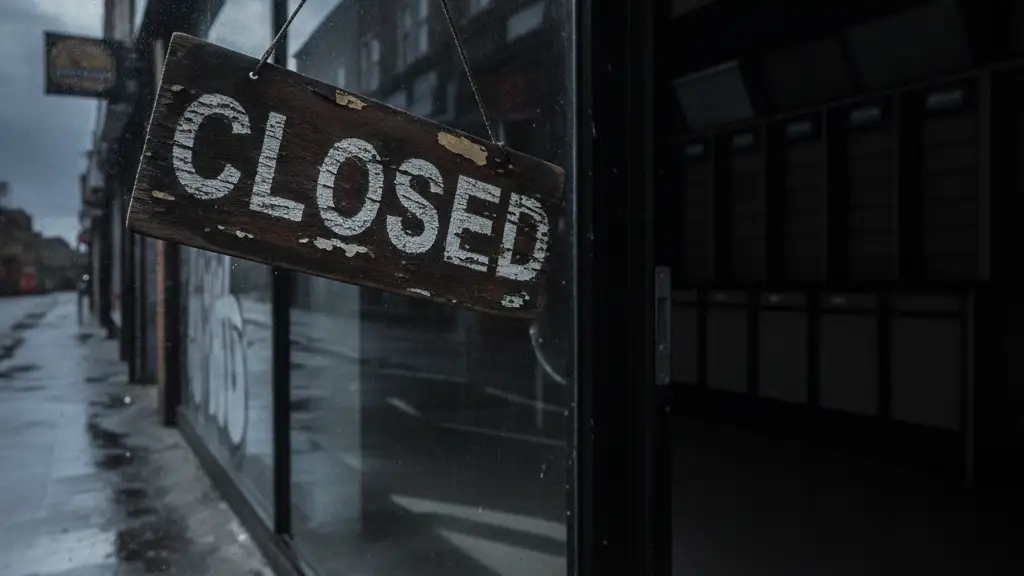
Betfred is set to close 132 of its shops, a move attributed to mounting financial pressures and a challenging economic climate.
Jo Whittaker, a Betfred spokesperson, confirmed the closures. She stated, "We have tried hard to protect all our sites and the colleagues who work in them, but the combined impact of higher employer national insurance contributions, wage inflation, increases in gambling taxes and wider economic uncertainty has left us with no choice."
These closures confirm a trend within the UK's betting industry. Rivals Paddy Power and William Hill have also significantly reduced their store counts over the past year.
Evoke, the owner of William Hill and 888, likewise cut its store count and expenses. The company acted "quickly and decisively" in direct response to escalating market pressures.
We have tried hard to protect all our sites and the colleagues who work in them, but the combined impact of higher employer national insurance contributions, wage inflation, increases in gambling taxes and wider economic uncertainty has left us with no choice.
Betfred cites higher taxes and pervasive economic uncertainty as the primary drivers behind these closures and job cuts. Additional financial pressures include increased employer national insurance contributions and persistent wage inflation.
The remote gaming duty is set to surge from 21% to 40% starting April 2026. This represents a substantial, sector-altering rise.
Furthermore, a new online sports betting duty of 25% will commence in 2027 for all sports except horse racing. This introduces yet another layer of taxation onto the industry.
Whittaker elaborated on the profound difficulty of these decisions, acknowledging the unwavering dedication of the affected staff. "These are well-run shops, staffed by dedicated colleagues, and it is incredibly hard to see any of them close, but the current fiscal and regulatory environment has made it impossible to keep trading all our shops."
The Warrington-based firm, founded in 1967 by Fred and Peter Done, grew into a significant player in the gambling market. Its historical trajectory now faces an unprecedented fiscal challenge.
Despite these operational challenges leading to widespread closures, the latest Sunday Times Rich List estimates the combined wealth of Fred and Peter Done at £3.61 billion.
Whittaker affirmed Betfred's immediate focus. She stated, "Our priority now is to support the colleagues affected, and to continue serving customers and communities across the rest of our estate."
This wave of closures marks a critical juncture for the UK betting landscape. The industry faces a future defined by increased fiscal burdens and a shrinking physical footprint.
The government's escalating tax regime, particularly the remote gaming duty's jump to 40% and the new 25% online sports betting duty, directly impacts profitability. This forces operators to reassess their entire business models.
Stakeholders across the political spectrum have pushed for tighter regulation and increased taxation on gambling. Public pressure regarding problem gambling also intensifies, influencing policy decisions.
The economic pressures extend beyond direct taxation, encompassing wage inflation and higher employer national insurance contributions. These factors erode profit margins for brick-and-mortar establishments.
The industry's future landscape will likely see a continued shift towards online platforms, despite the new online betting duties. Physical betting shops, once ubiquitous, face an existential threat.
This contraction signals a significant societal shift in gambling habits. The traditional high street presence of betting firms diminishes, reflecting evolving consumer preferences and regulatory environments.