Banned Chemicals Found in Pet Flea Treatments Polluting UK Rivers
Parliamentary inquiry raises alarm over severe toxicity of imidacloprid and fipronil, urging government action on widespread environmental damage.
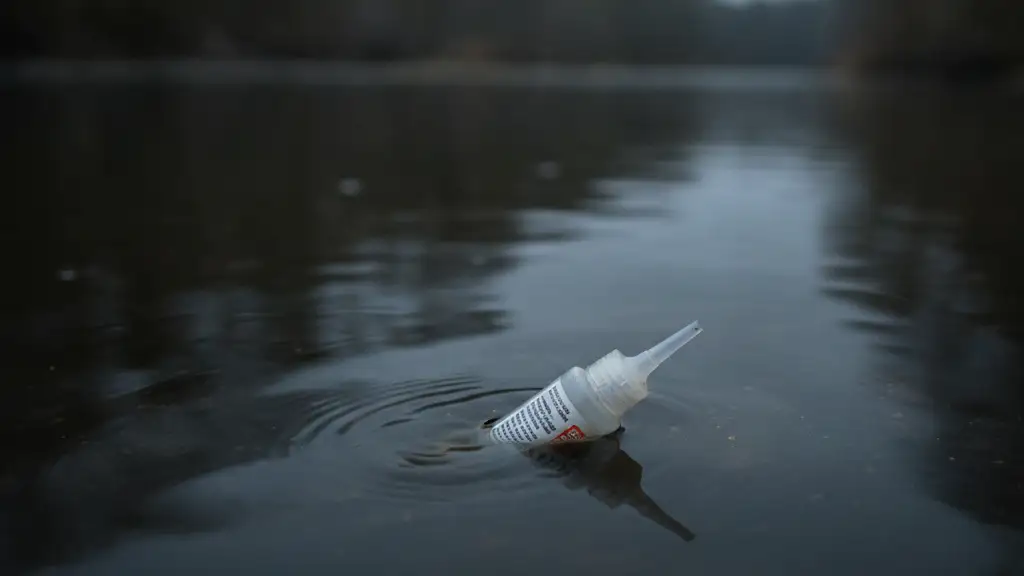
Image: Eddie Pollard / AI

Callum Smith
Over-the-counter pet flea treatments contain chemicals banned for pesticide use in the EU and UK due to severe toxicity.
The Veterinary Medicines Directorate, the independent regulator for these products, acknowledged the issue directly: "We recognise that while pet parasite treatments play an important role in protecting pets and people from parasites and the diseases they carry, they are entering our watercourses which could be contributing to wider environmental impacts."
Researchers detected imidacloprid and fipronil in nearly half of all samples across nine Welsh rivers. Scientists now claim these chemicals, prevalent in 'spot on' parasite treatments, could inflict widespread harm on ecosystems.
Our report raises serious questions and concerns about the environmental risks of pet flea and tick treatments, as well as how they are sold to pet owners.
A study further claims songbirds used dog and cat fur contaminated with the treatments to construct their nests. Nests showing higher chemical incidence recorded more unhatched eggs or dead chicks.
Researchers at Imperial found the breakdown products of fipronil and imidacloprid can be "an entire order of magnitude more toxic" than the original chemicals.
Baroness Shas Sheehan, commenting on the findings, stated: "Our report raises serious questions and concerns about the environmental risks of pet flea and tick treatments, as well as how they are sold to pet owners."
The committee called on the Government to establish a clear evidence base on the use of treatments. They also demanded research address existing evidence gaps.
The committee further recommended a more precautionary approach to reduce unnecessary treatments, especially for low-risk animals. The British Veterinary Association welcomed the committee's findings.
Separately, the Department for the Environment, Farming and Rural Affairs (Defra) launched a call for evidence in May on the impact of the treatments on UK rivers.
A Government spokesperson affirmed: "While these treatments play a vital role in public and pet health against fleas and ticks, it is right that we assess the availability of these treatments to ensure correct usage by owners."
New calls suggest over-the-counter treatments for cats and dogs should face an outright ban.
The House of Lords environment and climate change committee report also claims 'worryingly insufficient evidence' exists to assess whether these chemicals harm human health.
The Veterinary Medicines Directorate confirmed: "That’s why we have consulted on this issue to help us maintain appropriate market availability of these substances while also protecting wildlife and the environment."
Elizabeth Mullineaux emphasised the importance of professional advice, stating: "It’s important pet owners have access to professional, tailored, veterinary advice on how to use these treatments appropriately, responsibly and safely when purchasing these products."
Very little is known about the impacts of newer chemicals used in pet parasite treatments.